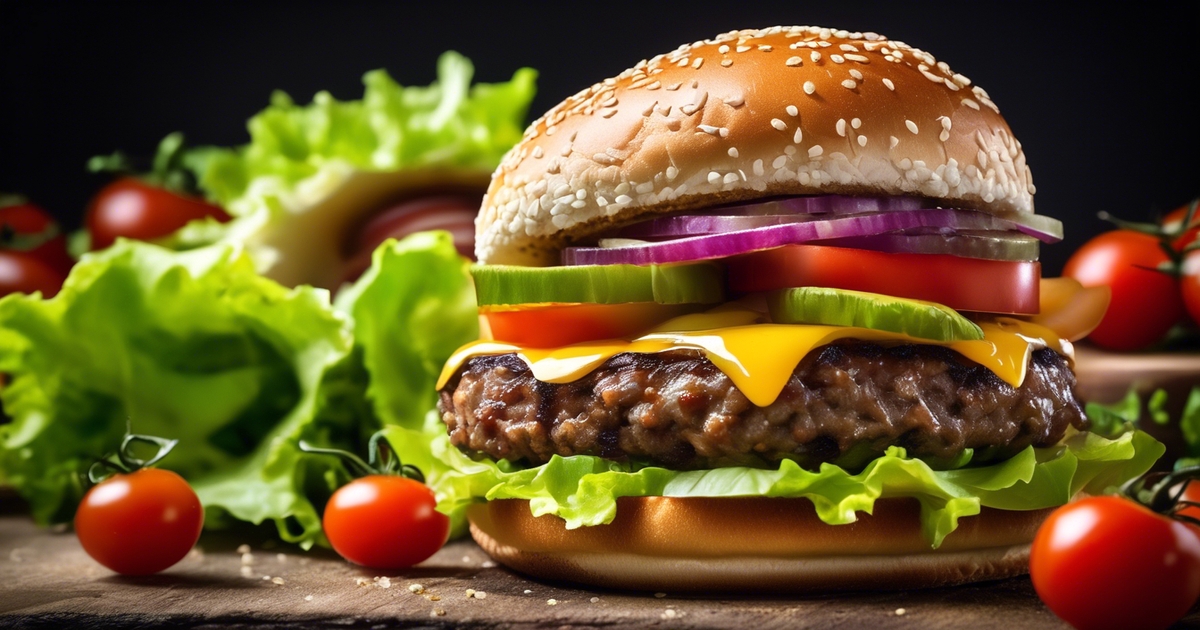
Did you know that over 5% of Americans identify as vegetarians? That’s more than 16 million people opting for plant-based diets. With this growing trend, restaurants in the food industry have been revolutionized to cater to diverse dietary preferences. One common question arising from this shift is – can a burger exist without beef? Today, we dive into the world of meatless burgers and explore the creativity behind crafting delicious alternatives that satisfy even the most devoted carnivores.
From ingredients like soy protein and mushrooms to innovative cooking techniques and restaurants, we’ll reveal how these meatless marvels are changing the culinary landscape. Stay tuned to discover if a burger can truly be beef-free!
Key Takeaways
- Consider experimenting with alternative ingredients like mushrooms, beans, or grains to create non-beef burgers at home.
- Embrace the global diversity of burger variations, recognizing that burgers can be made with a wide range of ingredients beyond beef.
- Explore the nutritional benefits of alternative burgers, such as plant-based options that offer lower saturated fat content and higher fiber.
- Understand the legal definitions of what constitutes a burger in different regions, which can influence the labeling and marketing of non-beef burger products.
- Try different cooking techniques such as grilling, baking, or pan-searing when preparing non-beef burgers to enhance flavors and textures.
- Engage in the ongoing debate about whether a burger must contain beef to be considered a true burger, acknowledging the evolving preferences and perspectives in the culinary world.
Understanding Burgers Beyond Beef
Diverse Protein Sources
Burgers are not limited to beef; they can be crafted from various protein sources. Chicken, turkey, fish, and even plant-based proteins like tofu or black beans offer unique flavors and textures for burgers. These alternatives cater to different dietary preferences and add variety to the traditional burger experience.
Plant-based burgers have gained immense popularity in recent years due to their sustainability and health benefits. Brands like Beyond Meat and Impossible Foods have revolutionized the burger industry by offering meat-like patties made entirely from plants. These options closely mimic the taste, texture, and even internal temperature of beef burgers without using any animal products.
Flavorful Plant-Based Options
The rise of non-beef burgers has introduced a whole new world of flavors in the burger scene. Ingredients such as mushrooms, lentils, quinoa, chickpeas, and sweet potatoes are used creatively to craft delicious patties that appeal to vegans, vegetarians, flexitarians, or anyone looking to explore beyond traditional beef burgers.
- Non-beef burgers provide diverse nutritional profiles.
- Plant-based alternatives offer sustainable choices for environmentally conscious consumers.
- Alternative protein sources cater to individuals with dietary restrictions or preferences.
The Evolution of the Hamburger
Evolution of Burgers
The hamburger has come a long way from its humble beginnings as a simple beef patty. Today, it has evolved into a highly customizable dish that caters to diverse tastes and preferences. From the basic combination of meat between two slices of bread, burgers have transformed into culinary creations with various toppings, sauces, and even plant-based protein options.
Cultural influences play a significant role in shaping the evolution of burgers worldwide. Different regions and restaurants have added their unique twists to this popular food, resulting in an array of burger variations around the globe. For example, in Japan, you can find burgers topped with teriyaki sauce or seaweed. In India, vegetarian burgers made with potatoes or chickpeas are common.
Beyond Beef: Innovative Options
Modern consumers are increasingly seeking innovative burger options that go beyond traditional beef patties. With growing awareness about health and environmental concerns, there is a rising demand for plant-based alternatives to meat. This shift has led to the popularity of veggie burgers made from ingredients like black beans, quinoa, mushrooms, or lentils.
Plant-based burger chains such as Impossible Foods and Beyond Meat have gained popularity for their realistic-tasting meat substitutes that cater to both vegetarians and flexitarians. These companies have revolutionized the food industry by offering sustainable and cruelty-free alternatives without compromising on taste or texture.
Ingredients That Can Replace Beef in Burgers
Plant-Based Proteins
Plant-based proteins like tofu and tempeh are popular alternatives to beef patties. These ingredients offer a meaty texture and are rich in protein, making them excellent substitutes for ground meat. Tofu, made from soybeans, can be seasoned and grilled to create a savory burger patty. Tempeh, another soy-based product, provides a nutty flavor that complements various seasonings.
Both tofu and tempeh are versatile ingredients that can absorb different flavors well. They also contribute to the sustainability of burger production by reducing the environmental impact associated with traditional beef burgers. By opting for plant-based proteins like tofu and tempeh, individuals can enjoy flavorful burgers while making environmentally conscious choices.
Mushrooms and Legumes
In addition to plant-based proteins, mushrooms and legumes play crucial roles in creating delicious non-beef burgers. Mushrooms such as portobello or shiitake mushrooms have a robust umami flavor that enhances the overall taste of the burger. When grilled or sautéed, mushrooms provide a juicy texture similar to beef patties.
Legumes like black beans, chickpeas, or lentils are excellent sources of protein for vegetarian burgers. These ingredients not only offer a hearty consistency but also add depth to the flavor profile of the burger. Combining mushrooms with legumes creates a satisfying burger experience that is both nutritious and flavorful.
Healthier Choices
By incorporating alternative ingredients into burger recipes instead of relying solely on beef patties, individuals can make healthier dietary choices without compromising on taste. Non-beef burgers packed with plant-based proteins like tofu or tempeh tend to be lower in saturated fats compared to traditional hamburgers made from ground meat.
Moreover, mushroom- or legume-based burgers provide essential nutrients such as fiber and vitamins while offering diverse culinary experiences beyond conventional beef options. Choosing these alternative ingredients not only promotes personal well-being but also contributes positively to sustainable food practices by reducing reliance on resource-intensive livestock farming methods.
Global Perspectives on What Makes a Burger
Unique Interpretations
In different regions, the concept of a burger varies widely. Cultural preferences greatly impact what goes into a burger worldwide. For instance, in Japan, you might find burgers with teriyaki sauce and seaweed.
Global Influence Around the world, international cuisines play a significant role in shaping unique burger recipes. In Mexico, you can enjoy a delicious “torta,” which is essentially a Mexican-style sandwich filled with meats like beef or pork.
Diverse Toppings and Condiments
Toppings and condiments on burgers are influenced by cultural backgrounds globally. In India, for example, vegetarian burgers made from lentils or chickpeas are popular choices instead of beef patties. These variations showcase how diverse toppings can create unique flavors.
Pros:
- Cultural diversity adds exciting twists to traditional burgers.
- Allows for dietary restrictions or preferences to be accommodated easily.
Cons:
- Traditionalists may argue that some versions deviate too far from the original concept.
- Availability of ingredients might limit options in certain regions.
The Nutritional Shift Towards Alternative Burgers
Lower Saturated Fats
Non-beef burgers, such as plant-based options, typically have lower levels of saturated fats than traditional beef patties. This reduction in saturated fats can be beneficial for heart health and overall well-being. For instance, a popular plant-based burger contains about 5 grams of saturated fat compared to a beef patty that can contain up to 9 grams.
Consumers are increasingly aware of the impact of high levels of saturated fats on their health. By choosing alternative burgers with lower saturated fat content, individuals can make healthier choices without compromising on taste or texture. These alternatives provide a guilt-free option for those looking to indulge in a classic favorite without the negative health implications often associated with traditional beef burgers.
Rich in Essential Nutrients
Plant-based burgers are not only lower in saturated fats but also rich in essential nutrients like fiber and vitamins. For example, one serving of a leading plant-based burger provides approximately 5 grams of fiber, contributing significantly towards the daily recommended intake. These alternative burgers are fortified with essential vitamins such as B12 and iron.
The shift towards alternative burgers is driven by consumers seeking nutritious options that align with their dietary preferences and health goals. As more people become conscious of their food choices and prioritize nutrient-dense meals, plant-based burger offerings continue to gain popularity across various food outlets from fast-food chains to upscale restaurants.
The Legal Definition of a Burger
Regulations on Labeling
In various regions, the term “burger” is subject to specific rules. Some places strictly control how products can be labeled as burgers. For instance, in certain countries, using the word “burger” for non-beef items might not comply with regulations.
Companies producing alternative protein options must adhere to strict guidelines. These claims influence how these products are marketed and sold. Failure to comply with legal definitions can lead to penalties or restrictions on selling such items.
Impact on Marketing
The legal definition of a burger plays a crucial role in shaping marketing strategies for plant-based or lab-grown meat alternatives. Companies need to navigate these regulations carefully when promoting their products. It affects how they advertise and package their offerings.
- Pros:
- Ensures clarity for consumers regarding the ingredients in different types of burgers.
- Prevents misleading labeling practices that could confuse buyers about what they are purchasing.
- Cons:
- Limits creative marketing approaches due to stringent regulations.
- Can increase production costs if companies have to change packaging or branding frequently.
Cooking Techniques for Non-Beef Burgers
Common Methods
Grilling, baking, and pan-searing are common techniques used to cook non-beef patties. Grilling imparts a smoky flavor while baking ensures even cooking throughout the patty. Pan-searing creates a crispy exterior with a juicy interior.
When preparing plant-based burgers, proper seasoning is crucial to enhance the flavors of the ingredients. Adding spices like garlic powder, onion powder, smoked paprika, or herbs like parsley can elevate the taste profile of non-beef patties. Seasoning also helps mask any inherent flavors that might be less appealing.
Cooking Temperatures
The cooking temperatures for non-beef burgers may vary based on the type of protein used in them. Plant-based burgers often require lower internal temperatures compared to meat-based ones due to their composition. It’s essential to follow specific temperature guidelines provided by manufacturers when cooking these alternative burgers.
- Pros and Cons
- Pros: Diverse flavor options available; suitable for vegetarians and vegans.
- Cons: Texture may differ from traditional beef patties; potential allergen concerns for some ingredients.
- Key Information
- Proper seasoning enhances flavor.
- Follow recommended cooking temperatures.
The Debate: Is It Still a Burger Without Beef?
The Authenticity Debate
Beef has been the cornerstone of traditional burgers, with many believing that a burger must contain beef to be considered genuine. These traditionalists argue that the rich flavor and juiciness of beef are essential for an authentic burger experience. They emphasize that the classic combination of a beef patty, cheese, lettuce, tomato, and condiments is what defines a true burger.
On the other hand, modern consumers are embracing the diversity in burger options beyond beef, welcoming alternatives like turkey, chicken, veggie patties, or even plant-based substitutes. This shift reflects changing dietary preferences and environmental concerns associated with consuming red meat. As such, many people now enjoy exploring different flavors and textures offered by non-beef burgers while still considering them as part of the broader definition of what constitutes a burger.
Embracing Burger Diversity
-
Pros:
-
Offers variety for individuals with dietary restrictions or preferences.
-
Allows for creative culinary experimentation in crafting unique burger recipes.
-
Cons:
-
Some purists may argue that non-beef burgers deviate too far from traditional standards.
-
Quality and taste can vary significantly depending on the type of protein used.
In essence, while beef remains synonymous with classic burgers for some enthusiasts due to its distinctive taste profile and cultural significance in American cuisine, there is an increasing acceptance of non-beef options within the wider spectrum of what defines a delicious and satisfying burger experience.
Exploring the Popularity of Veggie and Alternative Protein Burgers
Environmental Concerns
The rising awareness of environmental concerns has significantly contributed to the popularity of veggie burgers. With issues like deforestation and greenhouse gas emissions linked to traditional beef production, many consumers are turning to plant-based alternatives. By choosing veggie burgers over beef ones, individuals can help reduce their carbon footprint and contribute to sustainability efforts.
Plant-based burgers cater not only to vegetarians and vegans but also appeal to flexitarians – those who occasionally eat meat but are actively incorporating more plant-based options into their diets. This broader consumer base indicates a shift towards more sustainable food choices. Veggie burgers offer a guilt-free indulgence for meat lovers while aligning with ethical and environmental values.
Food Industry Innovation
The food industry innovation plays a crucial role in expanding the market for alternative protein burgers. Companies are constantly developing new recipes, improving taste and texture, making them more appealing even to staunch meat-eaters. The variety of veggie burger options available today is vast, ranging from black bean patties to quinoa-based alternatives, catering to different tastes and preferences.
Restaurants across the country have started including veggie burger options on their menus due to increasing demand. Major fast-food chains have introduced plant-based burger alternatives as part of their regular offerings in response to customer interest in healthier and environmentally friendly choices.
Summary
You’ve journeyed through the world of burgers, discovering a multitude of ingredients and cooking techniques that can transform a traditional beef patty into a diverse culinary experience. From lentils to mushrooms, the possibilities are endless. As global perspectives shift towards alternative proteins, the debate on what constitutes a burger continues to evolve, challenging conventional norms and sparking creativity in the kitchen.
Next time you fire up the grill or step into a burger joint, consider exploring beyond the realms of beef and embrace the innovation that non-beef burgers offer. Whether you opt for a veggie patty or experiment with plant-based proteins, remember that a burger is more than just its meat—it’s a canvas for culinary experimentation and personalization. So go ahead, get creative, and savor the delicious revolution that is redefining what it means to bite into a burger!
Frequently Asked Questions
Can a burger not have beef?
Yes, a burger can be made without beef. There are various alternative ingredients like plant-based proteins, mushrooms, beans, and grains that can replace beef in burgers while still maintaining taste and texture.
What are some common alternatives to beef in burgers?
Popular alternatives to beef in burgers include plant-based proteins like tofu, tempeh, and seitan; legumes such as black beans or lentils; vegetables like mushrooms or eggplant; and grains like quinoa or bulgur. These ingredients offer diverse flavors and textures for non-beef burgers.
Are non-beef burgers considered healthy?
Non-beef burgers can be healthy depending on the ingredients used. Plant-based options often contain less saturated fat and cholesterol compared to traditional beef patties. Be mindful of sodium content and processing methods when choosing alternative burger options for a nutritious choice.
How do cooking techniques differ for non-beef burgers?
Cooking techniques vary for non-beef burgers based on the ingredients used. Grilling, baking, pan-searing, or air-frying are common methods to cook plant-based patties effectively. Each ingredient may require specific handling to ensure optimal flavor and texture when preparing non-beef burgers.
Is it still considered a burger if it doesn’t contain beef?
The definition of a burger has evolved beyond just being made with beef. As long as there is a patty sandwiched between buns with various toppings and condiments, it qualifies as a burger regardless of the protein source—embracing diversity in culinary creations defines modern interpretations of this classic dish.


