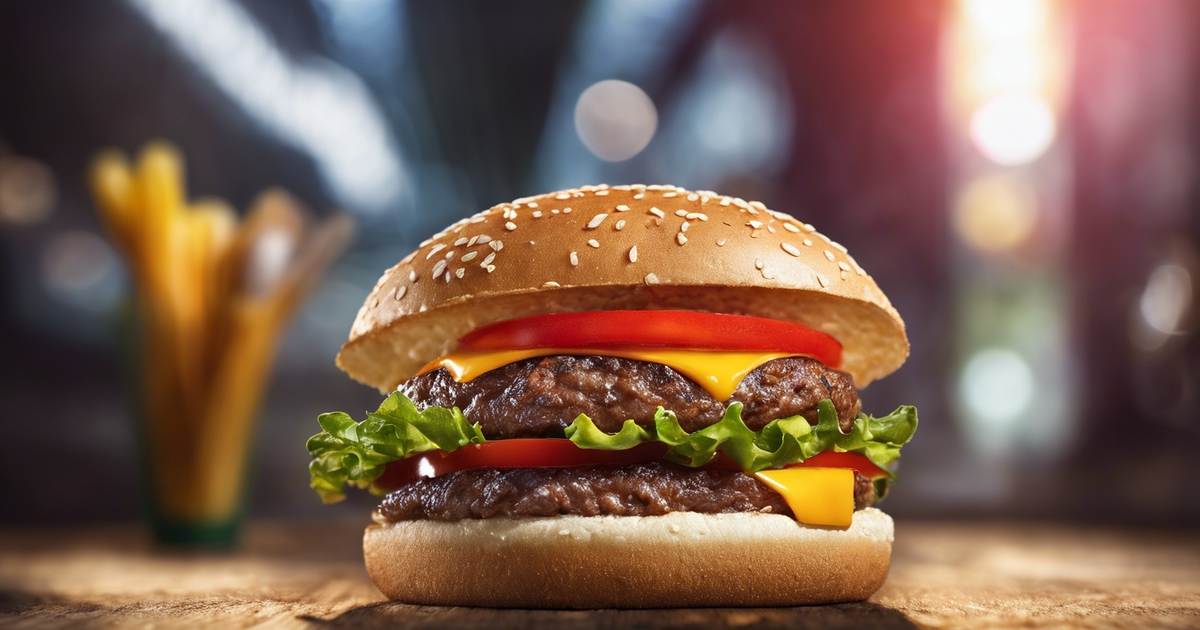
Ever wondered why beef burgers dominate the fast-food scene? Surprisingly, a staggering 60% of all burgers consumed worldwide are made from beef. But what’s behind this meaty monopoly that has everyone hooked on beef patties? Let’s delve into the juicy details and uncover the sizzling secrets that make beef the reigning champion in burger land.
From backyard BBQs to high-end restaurants, beef reigns supreme on burger menus for a myriad of reasons. Whether it’s the rich flavor profile, juicy texture, or cultural traditions deeply rooted in our taste buds, there’s no denying that beef holds a special place in our hearts – and stomachs. So grab a napkin and get ready to sink your teeth into why beef is king.
Key Takeaways
-
Beef Dominance: The preference for beef in burgers stems from its traditional composition and flavor profile, deeply rooted in history and cultural heritage.
-
Evolutionary Journey: Understanding the evolution of the hamburger sheds light on why beef has become the staple choice for patties over time.
-
Cultural Significance: The cultural impact of the hamburger, a sandwich wonder, plays a significant role in why beef remains the go-to option, reflecting societal norms and preferences.
-
Global Influence: Despite variations worldwide, beef maintains its popularity in burgers and sandwiches across different cultures, showcasing its universal appeal.
-
Nutritional Considerations: Exploring the nutritional aspects of using beef in burgers from the menu can provide insights into balancing taste preferences with health considerations.
-
Creative Experimentation: While traditional burgers feature beef, unconventional creations demonstrate the versatility of burgers, allowing for innovative and diverse culinary experiences.
Unraveling the Hamburger’s Origin
Disputed History
The reason burger is almost always made from beef can be traced back to its origin. The history of the hamburger’s invention is a subject of debate among food historians. Some claim that it originated in Hamburg, Germany, hence the name “hamburger.” Others argue that its roots lie in America.
One theory suggests that German immigrants brought a similar dish known as “Frikadelle” to the United States in the 19th century. Over time, this evolved into what we now know as the hamburger. Despite these conflicting stories, one thing remains clear – hamburgers have become an iconic American staple enjoyed worldwide.
German Influence
German cuisine likely played a significant role in shaping the modern burger. The concept of seasoned ground meat formed into patties was prevalent in Germany long before it gained popularity in America. This influence explains why beef became synonymous with burgers – as beef was commonly used for dishes like Frikadelle and other minced meat recipes.
The adaptation and evolution of this culinary tradition led to variations like cheeseburgers, bacon burgers, and veggie burgers today. These iterations reflect not only American ingenuity but also how diverse cultural influences can transform a simple dish into a global phenomenon.
The Composition of a Traditional Burger
The Essential Components
Burgers typically consist of a beef patty, sandwiched between two halves of a bun. The beef patty is the star of the show, usually made from ground beef seasoned with salt and pepper. It’s then grilled or fried to perfection, giving it that juicy and savory flavor. The simplicity of a beef patty allows for its versatility in pairing with various toppings and condiments.
Its role in a burger should not be underestimated. Acting as a vessel that holds everything together, buns come in different varieties like sesame seed buns or brioche buns. A good bun provides structural integrity while adding a hint of sweetness or richness to complement the savory flavors of the beef patty.
Condiments That Complement
To enhance the taste profile of a traditional burger, various condiments are commonly used. For instance, mustard can add tanginess, while ketchup offers sweetness and acidity. Sliced onions bring crunch and sharpness to each bite, balancing out the richness of the beef patty.
-
Pros:
-
Versatile ingredients allow for customization.
-
Simple components make burgers easy to prepare quickly.
-
Cons:
-
Limited options for non-beef eaters.
-
Health concerns associated with excessive red meat consumption.
Why Beef Dominates Burger Patties
Factors Influencing Beef’s Popularity
Beef is the go-to choice for burger patties due to its rich flavor and juicy texture. The high-fat content in beef contributes to the succulence of a well-cooked patty, making it a favorite among burger enthusiasts. beef‘s ability to hold seasonings and spices well enhances the overall taste profile of the burger.
Another factor that influences why beef dominates as the primary choice for burger patties is its versatility. Whether grilled, fried, or barbecued, beef maintains its savory taste and pairs perfectly with various toppings and condiments. This adaptability allows for endless customization options when preparing a beef burger.
Comparing Beef to Other Meat Options
When comparing beef to other types of meat commonly used in burgers like chicken or turkey, several distinctions become evident. While poultry options are leaner than beef, they often lack the depth of flavor that comes naturally with beef patties. The fat content present in ground beef not only adds juiciness but also contributes significantly to the overall taste experience.
Moreover, when cooked properly, a beef patty retains its moisture better than alternatives like turkey or chicken patties which tend to dry out more easily during cooking. This characteristic makes beef an ideal choice for achieving that perfect balance between tenderness and juiciness in every bite of a delicious burger.
The Evolution of the Hamburger
Historical Transformations
Burgers have come a long way from their origins, evolving through historical transformations in recipes over centuries. Initially made with pork or lamb, the hamburger as we know it today primarily features beef patties. This shift to beef gained popularity due to its rich flavor and juiciness, making it a favorite choice for burger enthusiasts worldwide.
The invention of the modern hamburger can be traced back to the 19th century when German immigrants brought their style of seasoned ground beef known as “Hamburg steak” to America. Over time, this dish evolved into what we now recognize as the classic beef burger patty. Innovations like adding breadcrumbs or onions to ground beef helped shape the texture and taste of burgers, contributing to their widespread appeal.
Cultural Influences
Cultural influences have played a significant role in why burgers are predominantly made with beef. In America, where fast food culture thrives, companies like McDonald’s popularized the beef burger through mass production and standardized cooking methods. This cultural shift towards convenience and speed paved the way for beef burgers becoming synonymous with quick meals enjoyed during lunch breaks or on-the-go.
Moreover, certain regions around the world have strong culinary traditions centered around using specific types of meat in dishes. For instance, in many Western countries like the United States and Europe, beef has been traditionally favored for its tenderness and flavor profile when used in hamburgers. These cultural preferences have solidified beef’s position as the go-to protein for crafting delicious burgers that satisfy cravings globally.
Global Variations of Hamburgers
Diverse Ingredients
Burgers vary worldwide with many variations in ingredients. In Japan, the rice burger replaces the traditional bun with compressed rice patties. The United Kingdom offers a twist with the Cornish pasty burger, incorporating a pastry crust.
From kimchi in Korea to tzatziki sauce in Greece, diverse ingredients redefine burgers globally. In India, you can find vegetarian burgers made from chickpeas and spices or paneer cheese. These unique twists showcase how different cultures infuse their flavors into this classic dish.
Regional Adaptations
Across the world, each country has its take on the beloved hamburger. In Summit County, Colorado, bison burgers are popular due to the county’s abundant bison population. Fast food outlets globally offer unique options like McDonald’s McSpicy Paneer Burger in India or Lotteria’s Shrimp Burger in South Korea.
The global variations of hamburgers highlight how adaptable this dish is to local tastes and preferences. Whether it’s poutine-topped burgers in Canada or ramen noodle buns in Japan, these regional adaptations showcase the creativity and diversity present within fast food restaurants worldwide.
Unconventional Hamburger Creations
Exotic Combinations
Burgers are not limited to traditional ingredients like beef patties, lettuce, and tomatoes. Creative chefs worldwide experiment with unconventional combinations to surprise diners. Picture a burger topped with kimchi, fried macaroni and cheese patty, or even foie gras. These unique creations offer an explosion of flavors in every bite.
Unusual toppings like pineapple slices, guacamole, or jalapenos add a twist to the classic burger experience. Imagine biting into a juicy patty layered with pulled pork and coleslaw – a blend of textures and tastes that redefine the conventional burger concept. These exotic ingredients elevate the humble hamburger into a gourmet delight.
- Pros:
- Offers diverse flavor profiles
- Appeals to adventurous eaters
- Cons:
- Not everyone may appreciate unconventional combinations
Gourmet Evolution
The rise of gourmet burgers has transformed this fast-food staple into a culinary masterpiece. Chefs now craft burgers using high-quality ingredients such as truffle oil, brie cheese, or arugula for discerning palates seeking elevated dining experiences. These gourmet creations often grace menus at upscale restaurants alongside fine wines and artisanal cocktails.
Specialty burgers cater to various dietary preferences too; think vegan black bean patties or gluten-free buns for health-conscious consumers looking beyond the standard beef options. The evolution of hamburgers from simple sandwiches to gastronomic wonders reflects changing consumer tastes towards more sophisticated meal choices.
- Gourmet burgers use premium ingredients.
- Specialty options accommodate diverse dietary needs.
- Upscale restaurants feature unique burger creations on their menus.
Nutritional Aspects of Using Beef in Burgers
Protein Content
Ground beef is a popular choice for burgers due to its high protein content. Proteins are essential for building and repairing tissues in our bodies. Compared to other burger options like chicken or turkey, beef burgers typically contain more protein per serving.
Beef is considered a red meat, which provides important nutrients like iron and zinc. However, it’s crucial to note that excessive consumption of red meat has been linked to health issues such as heart disease and certain cancers.
Health Considerations
When consuming beef-based burgers, it’s important to consider the overall nutritional value of the meal. While beef provides essential nutrients, it also contains saturated fats that can contribute to cholesterol levels when consumed in excess.
Pros:
- High protein content
- Rich in iron and zinc
Cons:
- Contains saturated fats
- Excessive consumption linked to health issues
In moderation, enjoying a classic beef burger can be part of a balanced diet. Opting for lean ground beef or incorporating plant-based ingredients into the patty can enhance the nutritional profile of your burger while still savoring that traditional taste.
The Cultural Impact of the Hamburger
American Cultural Symbol
The hamburger has become synonymous with American culture, representing a quintessential part of the nation’s culinary heritage. Its popularity soared in the United States post-World War II, becoming a staple in American diets. Fast-food chains like McDonald’s played a significant role in popularizing burgers worldwide, making them an iconic symbol of Western fast food culture.
Burgers are not just about food; they represent a lifestyle and cultural phenomenon deeply ingrained in society. The convenience and affordability of burgers have made them accessible to people from all walks of life, transcending social and economic boundaries. This accessibility has contributed to their widespread consumption globally, further solidifying their status as an emblematic aspect of modern-day food culture.
Influence on Global Consumption
Fast-food restaurants have revolutionized the way people perceive and consume burgers. These establishments standardized burger recipes, making beef patties the default choice for most consumers due to its taste and texture familiarity. As a result, beef became synonymous with traditional hamburgers served at these restaurants, shaping consumer preferences worldwide.
The global market for hamburgers continues to expand rapidly due to the influence of fast-food chains that promote beef-based burger options extensively. Despite variations in regional toppings or seasonings added to burgers around the world, beef remains the primary protein choice across different cultures.
Social Traditions
Eating hamburgers is not merely about fulfilling hunger; it represents shared experiences among friends and families at backyard barbecues or casual dining outings. The act of enjoying a burger together fosters connections between individuals through communal dining experiences centered around this universally loved dish.
Addressing the Mystery Behind the Name “Hamburger”
Historical Origins
The term “hamburger” can be quite misleading as it contains no ham. Instead, its name is linked to Hamburg, Germany. Back in the 19th century, German immigrants brought a type of seasoned minced beef steak called “Hamburg steak” to America. Over time, this dish evolved into what we now know as the hamburger.
In essence, hamburgers are named after the city of Hamburg due to their historical roots in Germany. The concept of a ground beef patty sandwiched between two buns became popular in the United States and retained its original name despite not containing any ham at all.
Linguistic Evolution
The evolution of language plays a crucial role in why burgers are always associated with beef. As languages develop and change over time, words can take on new meanings or lose their original connections. In this case, the term “hamburger” has become ingrained in our vocabulary as referring to a specific food item rather than being tied to its historical origins.
This linguistic evolution has solidified the association between burgers and beef for generations. Even though other types of patties made from chicken, turkey, or vegetables exist today, they are often specified by using additional terms like “chicken burger” or “veggie burger” to differentiate them from the classic beef hamburger.
You’ve dived deep into the world of burgers, uncovering their juicy history, beefy dominance, and cultural significance. From classic beef patties to avant-garde creations, burgers have evolved into a global culinary icon. Considering the nutritional and cultural aspects discussed, it’s clear that the humble burger packs a flavorful punch beyond its ingredients. Next time you sink your teeth into a burger, savor not just the taste but the rich tapestry of stories and influences that have shaped this beloved dish.
So, whether you prefer a classic cheeseburger or an out-of-the-box creation, remember that each bite carries a legacy of tradition and innovation. Keep exploring new burger horizons, trying diverse variations, and sharing the love for this iconic food. Burgers aren’t just a meal; they’re a journey through history and culture. Bite into the story!
Frequently Asked Questions
Why is beef the most common meat used in burgers?
Beef’s rich flavor, juiciness, and fat content make it ideal for creating flavorful and juicy burger patties. Its versatility allows for various cooking methods while retaining its taste, making it a popular choice among burger enthusiasts.
How did hamburgers become a global phenomenon?
The portability and deliciousness of hamburgers made them a hit worldwide. As people traveled or migrated to different regions, they brought the concept of hamburgers with them. Each culture adapted the dish to suit their tastes, leading to diverse variations globally.
Are there healthier alternatives to beef burgers?
Yes, you can opt for leaner meats like turkey or chicken as burger patty substitutes. Plant-based options such as veggie or black bean burgers are also gaining popularity due to their lower saturated fat content and higher fiber levels compared to traditional beef patties.
What role does cultural influence play in shaping hamburger recipes?
Cultural preferences impact the ingredients and seasonings used in hamburger recipes worldwide. For example, Asian cultures may incorporate soy sauce or ginger into their patties, while Latin American cuisines might add spices like cumin or chili powder. These adaptations create unique flavors reflective of each culture.
Can I enjoy unconventional hamburger creations without compromising on taste?
Absolutely! Experimenting with unconventional ingredients like grilled pineapple slices, avocado spread, kimchi, or even fried eggs can elevate your burger experience by adding new textures and flavors. Embrace creativity in your kitchen – there are no limits when crafting your perfect burger masterpiece!

