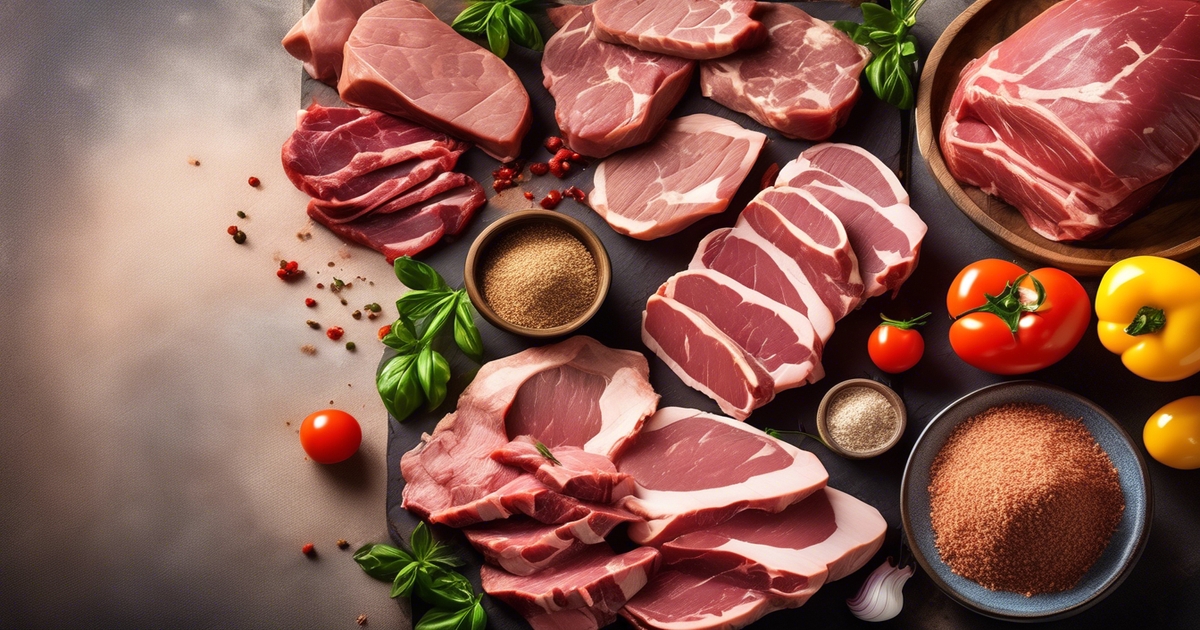
Ever wondered which kind of meat is usually used to make hamburgers? The answer may surprise you! Understanding the key ingredient in this beloved fast-food staple can shed light on its flavors and textures. Let’s dive into the juicy world of burger patties and uncover what makes them so irresistible. Curious to know more about the meaty magic behind your favorite burger bun? Stay tuned for a mouthwatering exploration that will leave you craving a big, satisfying bite.
Key Takeaways
- Choose ground chuck or ground sirloin for flavorful and juicy hamburgers.
- Look for labels with 80% lean meat and 20% fat for the perfect balance of flavor and juiciness.
- Understanding the fat content in hamburger meat is crucial for achieving the desired taste and texture.
- Opt for a fat percentage of around 15-20% for a moist and flavorful burger patty.
- Grinding your own hamburger meat at home allows you to control the quality and freshness of the ingredients.
- Cook hamburgers to an internal temperature of 160°F to ensure they are safe to eat.
Choosing the Best Meat for Hamburgers
Lean Ground Beef
Ground beef is a popular choice for making hamburgers. Lean ground beef is a healthier option as it contains less fat compared to other types of ground meat. This type of meat typically has a lower fat content, making it a good choice for those looking to reduce their fat intake while still enjoying a delicious burger.
When selecting burger meat, look for packages labeled with the percentage of lean meat. For example, 90/10 or 85/15 indicate the ratio of lean meat to fat in the ground beef. Choosing lean ground beef ensures that your burgers are not overly greasy and have a healthier nutritional profile overall.
Ground Chuck
Another excellent option for crafting flavorful burgers is ground chuck. This type of meat comes from the shoulder area of the cow and usually has a higher fat content than lean ground beef. The additional fat in ground chuck contributes to juicier and more succulent burgers, enhancing both flavor and texture.
If you’re aiming for juicy, mouth-watering burgers that are bursting with flavor, consider using ground chuck when preparing your patties. The higher fat content in this cut results in moist and rich-tasting burgers that are sure to satisfy your cravings.
Types of Meat Ideal for Making Hamburgers
Ground Beef
Ground beef is the go-to choice for crafting traditional, juicy burgers. It offers a rich flavor profile and a satisfying texture that many burger enthusiasts love. When selecting ground beef for your burger patties, opt for short ribs or short rib blends to enhance the taste and juiciness.
For those who prefer a lighter option without compromising on taste, ground turkey, burger meat is an excellent alternative. It provides a leaner protein source while maintaining a similar texture to beef. By incorporating ground turkey into your burger recipes, you can create healthier yet still delicious options.
Ground Pork
If you’re looking to infuse some uniqueness into your burgers, consider using ground pork in your meat blend. Ground pork brings its distinct flavor to the table, adding depth and complexity to your patties. Mixing ground pork with other meats like beef or turkey can result in flavorful combinations that elevate your burger game.
- Pros:
- Rich flavor profile
- Satisfying texture
- Versatile;
Understanding Ground Beef Labels
Fat Content Matters
When choosing meat for making hamburgers, pay attention to the fat content specified on the label. The ideal fat content for a juicy and flavorful burger is around 15-20%. Leaner options with lower fat percentages can result in drier burgers.
- Look for labels indicating the fat content percentage.
- Opt for meat with 15-20% fat content for juicier burgers.
Understanding the fat content of ground beef is crucial as it directly impacts the taste and texture of your burgers. If you prefer a more succulent patty, aim for higher-fat blends. On the other hand, if you’re health-conscious or enjoy a leaner option, choose ground beef with lower fat percentages.
Premium Quality Choices
For those seeking premium quality meat options, look out for labels like “grass-fed” or “organic.” Grass-fed beef comes from cattle that primarily feed on grass rather than grains or other supplements. This results in meat that’s leaner and often considered healthier.
- Check for “grass-fed” or “organic” labels when aiming for premium quality.
The distinction between ground chuck and ground round is essential to understand when selecting meat cuts. Ground chuck typically contains around 15% fat and offers excellent flavor due to its balanced fat ratio. In contrast, ground round has less marbling (intramuscular fat) than chuck but still provides good flavor.
Ideal Fat Percentage for Hamburger Meat
Lean vs. Fatty Meat
The fat content of the meat you choose plays a crucial role in the final taste and texture of your patty. Opting for ground beef with an 80% lean meat to 20% fat ratio is ideal if you want a juicy and flavorful burger. This higher fat percentage ensures that your patty remains moist during cooking, resulting in a deliciously rich flavor.
On the other hand, if you prefer a leaner option, selecting ground beef with a 90% lean meat to 10% fat ratio is more suitable. This lower fat content produces a healthier patty while still maintaining some juiciness when cooked correctly. However, be cautious not to go too low on the fat content as using very lean meat can lead to dry and bland burgers due to the lack of natural juices from the fat.
Finding Balance
It’s essential to strike a balance between having enough fat for flavor and moisture without going overboard with excessive amounts that can make your burger greasy or heavy. By understanding how different percentages of fat affect your hamburger patties’ taste and texture, you can tailor your choice based on personal preferences.
The Role of Fat in Burger Meat
Flavor and Juiciness
Fat plays a crucial role in making hamburgers delicious. It adds flavor and juiciness, enhancing the overall taste experience. When you sink your teeth into a burger, the fat content is what makes it succulent and satisfying.
Balancing the amount of fat in burger meat is essential for achieving the right texture and taste. Too little fat can result in a dry and bland burger, while too much fat can lead to greasiness. Finding the perfect balance ensures that your burger is moist, flavorful, and enjoyable to eat.
Grill Flare-Ups
Excessive fat content in hamburger meat can cause unwanted flare-ups on the grill. These flare-ups occur when the dripping fat ignites, creating sudden bursts of flames that can char the outside of the patty. By managing the fat content properly, you can reduce flare-ups and ensure that your burgers are cooked evenly without burning.
To summarize:
- Fat enhances flavor and juiciness.
- Balancing fat content is key for texture.
- Excess fat may lead to grill flare-ups.
Preparing Your Burger Patty
Seasoning the Meat
When making burgers, it’s crucial to season the meat properly. Use a generous amount of salt and pepper to enhance the flavor of your patty. The seasoning helps bring out the natural taste of the meat, ensuring a delicious bite every time.
To make sure your burger is packed with flavor, consider adding other seasonings like garlic powder, onion powder, or paprika for an extra kick. Experiment with different combinations until you find the perfect blend that suits your taste buds.
Forming Perfect Patties
When shaping your burger patties, handle the meat gently to avoid compacting it too tightly. Overworking the mixture can result in tough and dry burgers. Instead, lightly form them into round shapes without pressing down too hard.
Creating an indentation in the center of each patty is also essential. This simple step prevents bulging during cooking as burgers tend to puff up in the middle while on the grill or stove. By making this small well in each patty, you ensure even cooking throughout without losing shape.
Tips for Grinding Your Own Hamburger Meat at Home
Different Cuts of Meat
You can experiment with various cuts like chuck, sirloin, or brisket. Each cut offers a unique flavor profile and fat content that contributes to the overall taste and juiciness of your burger.
Trying different combinations allows you to create a personalized blend tailored to your preferences. For example, mixing leaner cuts with fattier ones can result in a juicier patty without sacrificing flavor. By grinding your own meat at home using a food processor or grinder, you have control over the coarseness of the grind and can tailor it to suit your desired texture.
Maintaining Freshness
To ensure the quality of your homemade hamburger meat stays top-notch, keeping both the equipment and ingredients cold is crucial. Cold temperatures help maintain freshness by preventing bacterial growth and preserving the natural flavors of the meat. Before grinding, chill the meat in the freezer for about 15-30 minutes until it’s partially frozen but still pliable.
Make sure that all parts of your grinder or food processor are cold as well. This includes placing metal components in the freezer before use if possible. Working with chilled equipment helps prevent overheating during grinding which could alter the texture and consistency of your ground meat.
Tips for Cooking Hamburgers
Most Common Meat Choice
Ground beef is the most common meat used to make hamburgers due to its flavor and fat content. It provides a juicy and flavorful patty.
When selecting ground beef for your burgers, opt for an 80/20 blend, which means it contains 80% lean meat and 20% fat. This ratio ensures a moist and tasty burger.
Cooking Process
Preheat your cooking medium, whether it’s a grill or pan, before adding the patties. This step helps in achieving an even cook throughout the burger.
Cook your burgers until they reach an internal temperature of 160°F using a meat thermometer to ensure they are safe to eat. This temperature kills harmful bacteria present in raw meat.
Let your burgers rest for a few minutes after cooking before serving them. Allowing the patties to rest retains their juices, ensuring each bite is juicy and full of flavor.
Health Considerations for Hamburgers
Types of Meat for Hamburgers
When making hamburgers, the type of meat used plays a significant role in their healthiness. Opting for lean meats like ground chicken or turkey can reduce the saturated fat content compared to traditional beef patties. These alternatives provide a lighter option without compromising on flavor.
Choosing grass-fed beef is another healthy choice as it contains higher levels of omega-3 fatty acids and antioxidants compared to grain-fed options. This type of meat tends to be lower in overall fat content, making it a heart-healthier alternative when crafting your burgers.
Toppings and Bun Selection
To enhance the nutritional value of your hamburgers, consider incorporating healthier toppings such as avocado slices or a variety of colorful vegetables like lettuce, tomatoes, and onions. These additions not only contribute to the taste but also boost the fiber and vitamin content of your meal.
When selecting buns for your burgers, opt for whole grain varieties instead of white buns. Whole grains offer more fiber and nutrients than their refined counterparts, promoting better digestion and providing sustained energy throughout the day. By choosing whole grain buns, you are adding an extra layer of nutrition to your burger creation.
Portion Control
Maintaining portion sizes is crucial when enjoying hamburgers while keeping health considerations in mind. Instead of supersized portions commonly found at fast-food chains, aim for smaller-sized patties or share a larger burger with a friend or family member. Controlling portion sizes allows you to indulge in this classic dish while still managing caloric intake effectively.
Summary
You’ve learned the ins and outs of choosing the right meat, understanding labels, and preparing the perfect patty for your hamburgers. Remember, the fat content plays a crucial role in the taste and juiciness of your burger, so pay attention to that when selecting your meat. Whether you opt for store-bought ground beef or grind your own at home, these tips will help you achieve burger perfection every time. Cooking your burgers just right will seal the deal, leaving you with a mouthwatering meal that’s sure to impress your taste buds.
Now it’s time to put your newfound knowledge into practice and whip up some delicious hamburgers. So fire up that grill or heat up the skillet, grab your favorite toppings, and get ready to enjoy a homemade burger experience like no other!
Frequently Asked Questions
What kind of meat is typically used to make hamburgers?
Ground beef, specifically ground chuck or sirloin, is commonly used for making hamburgers due to its ideal fat content and flavor profile.
Can I grind my own hamburger meat at home?
Yes, you can grind your own hamburger meat at home using a food processor or a meat grinder. This allows you to control the quality and freshness of the meat for your burgers.
How important is the fat percentage in hamburger meat?
The fat percentage in hamburger meat is crucial as it contributes to juiciness and flavor. A balance between lean protein and fat content, usually around 15-20% fat, is recommended for juicy and flavorful burgers.
Are there health considerations when choosing hamburger meats?
When selecting hamburger meats, consider opting for leaner cuts with lower saturated fats to promote better heart health. Cooking burgers thoroughly reduces the risk of foodborne illnesses.
Why should I pay attention to ground beef labels when buying ingredients for hamburgers?
Understanding ground beef labels helps you choose the right type of meat based on its fat content and quality grade. Labels indicating “lean” or specific percentages of fat guide you in selecting the best option for your desired burger texture.

