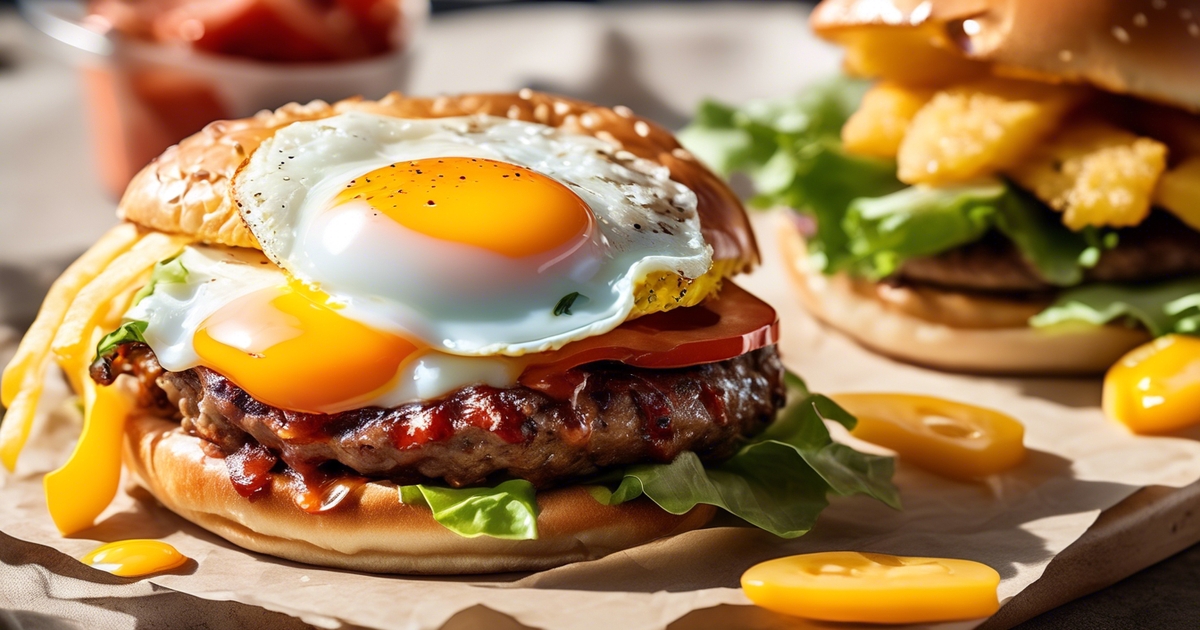
Ever wondered about the surprising twist that eggs bring to a classic burger? The trend of adding eggs to burgers has been on the rise, creating a delightful contrast between juicy meat and runny yolk. But when did people start putting eggs on burgers? Let’s dive into the history behind this mouthwatering combination.
From diners to gourmet restaurants, this unconventional pairing has captured the taste buds of food enthusiasts worldwide. Whether sunny-side-up or perfectly poached, these egg-topped creations offer a unique blend of flavors and textures. Join us as we uncover the origins and evolution of this savory sensation.
Key Takeaways
- Incorporate Eggs Creatively: Experiment with adding eggs to your burgers for a unique twist on a classic dish, inspired by the historical evolution of burger toppings.
- Understand Hamburger Origins: Explore the origins and controversies surrounding hamburgers to appreciate how culinary traditions have shaped this beloved food.
- Appreciate Culinary Influences: Recognize the impact of notable figures like White Castle in popularizing hamburgers and shaping modern fast food culture.
- Embrace Global Flavors: Embrace the global spread of hamburgers and their culinary impact, encouraging you to try diverse burger variations from around the world.
- Consider Nutritional Balance: Be mindful of nutritional controversies surrounding hamburgers, balancing indulgence with healthier choices when enjoying this iconic meal.
- Get Creative with Toppings: Experiment with different burger bun variations to elevate your burger experience and understand the significance of buns in shaping burger culture.
Evolution of the Hamburger
The evolution of putting eggs on burgers can be traced back to the transformation of hamburg steaks into hamburger sandwiches. Initially, hamburgers were served without buns and were considered a gourmet dish. The introduction of the hamburger bun revolutionized how burgers were consumed.
Burgers started as simple patties made from ground beef and seasoning, resembling steak more than what we recognize today. As time passed, people began sandwiching these patties between slices of bread to make them easier to eat. However, it was not until 1916 when White Castle fast-food restaurant introduced the first commercially successful hamburger bun that this iconic pairing came into existence.
Transition from Gourmet to Fast Food
With the introduction of mass-produced hamburger buns by White Castle, burgers transitioned from being a high-end dish to a convenient and affordable meal option for everyone. This shift marked a significant change in how people perceived and consumed burgers.
The innovation of using buns allowed for easy handling and consumption on-the-go, catering perfectly to the fast-paced lifestyle that was becoming increasingly prevalent in society at that time. This transition democratized access to burgers, making them accessible not just as an occasional treat but as a quick meal option for all social classes.
Origins and Controversies of the Hamburger
Varied Claims
The history of the hamburger is a contentious topic, with multiple claims to its invention. While some believe it originated in Hamburg, Germany, others credit its creation to various locations in the United States. Despite these conflicting assertions, what remains undisputed is that hamburgers have become an integral part of global cuisine.
Burgers’ evolution from street food to a mainstream dish has been a fascinating journey filled with twists and turns. As they gained popularity across different regions, variations emerged to suit diverse tastes and preferences. One such variation that intrigued many was the addition of eggs to burgers.
The Egg Controversy
Adding eggs to burgers has sparked debates among food enthusiasts worldwide. Some argue that eggs provide an extra layer of flavor and richness to the burger experience, enhancing its overall taste profile. On the other hand, critics question the compatibility of eggs with traditional burger ingredients like beef patties and cheese.
Pros:
- Enhances flavor and richness
- Adds variety for those seeking unique culinary experiences
Cons:
- May not appeal to individuals with dietary restrictions
- Could alter the classic burger taste for purists
Despite differing opinions on this unconventional topping choice, one cannot deny that experimenting with new flavors is an essential aspect of culinary innovation.
Notable Figures in Hamburger History
Louis Lassen
Louis Lassen is credited with making a significant contribution to burger history. He was the owner of Louis’ Lunch in New Haven, Connecticut, where he supposedly created the first hamburger in 1900. Lassen’s innovation involved serving a beef patty between two slices of toast to a customer who needed a meal on-the-go. This simple yet ingenious idea laid the foundation for what would become an iconic American dish.
Lassen’s invention sparked a trend that spread rapidly across the United States and eventually worldwide, shaping modern fast food culture as we know it today. His decision to put meat between bread revolutionized how people viewed quick and convenient meals, paving the way for countless variations of burgers that exist today.
Charlie Nagreen
Another notable figure in hamburger history is Charlie Nagreen, known as “Hamburger Charlie.” In 1885, at just 15 years old, Nagreen decided to flatten meatballs and place them between two slices of bread at the Seymour Fair in Wisconsin. This creation allowed fairgoers to enjoy their meal while walking around without needing utensils or plates.
Nagreen’s innovative approach not only made eating more convenient but also popularized hamburgers at fairs and events throughout the region. His clever adaptation transformed how people consumed ground beef by making it portable and easy to eat on-the-go.
Influence of White Castle Founders
The founders of White Castle also played a crucial role in shaping burger culture. Walter Anderson and Billy Ingram established White Castle in Wichita, Kansas, in 1921 with a vision to create delicious and affordable hamburgers for all. Their focus on cleanliness, consistency, and efficiency set new standards for the fast-food industry.
Pros:
- Innovations by Louis Lassen & Charlie Nagreen shaped modern burger consumption.
- Introduction of portable burgers by these figures influenced fast-food trends globally.
Cons:
- Lack of recognition for lesser-known figures like Charlie Nagreen compared to major chains.
The Role of White Castle in Hamburger Popularity
Early Introduction of Eggs on Burgers
White Castle, known for pioneering the fast-food concept in the early 20th century, played a significant role in shaping modern burger culture. While the exact date when people started putting eggs on burgers is unclear, White Castle’s innovative approach to hamburgers influenced various toppings and combinations that are popular today.
The introduction of eggs on burgers can be traced back to White Castle’s impact on mass production techniques and its influence on modern burger chains. By offering affordable and convenient meals with consistent quality, White Castle set a standard for fast food that many other establishments later emulated.
Influence on Modern Burger Chains
The success of White Castle led to the widespread popularity of hamburgers across America and eventually worldwide. This popularity paved the way for other burger chains to emerge, each adding their unique twist to the classic hamburger recipe. Today, it is common to find a variety of toppings like eggs, bacon, avocado, or even pineapple offered by different burger joints inspired by White Castle’s original creations.
-
Pros:
-
Diversification of burger toppings.
-
Influence on mass production techniques.
-
Popularization of hamburgers globally.
-
Cons:
-
Limited historical documentation regarding specific dates or events.
Global Spread and Culinary Impact of Hamburgers
Burger Variations
Burgers have evolved differently across the globe, adapting to local tastes and traditions. In Japan, you can find burgers with unique fillings like teriyaki sauce or seaweed. The Ramen Burger in the United States replaces traditional buns with ramen noodles, offering a fusion of two beloved dishes.
The diverse variations of burgers cater to different palates worldwide. From the spicy Vada Pav burger in India to the hearty Loco Moco burger in Hawaii, each culture puts its spin on this classic dish. These adaptations showcase how a simple concept can transform into something extraordinary through creativity and innovation.
- Pros:
- Reflect cultural diversity
- Appeal to a wide range of tastes
- Cons:
- May deviate too far from traditional flavors for some purists
Influence on Global Fast-Food Industry
The popularity of hamburgers has significantly impacted the global fast-food industry. Major chains like McDonald’s and Burger King have expanded internationally by offering localized versions of their signature burgers. This strategy allows them to connect with customers on a more personal level while maintaining their brand identity.
Moreover, the success of fast-food giants has inspired local businesses worldwide to create their own burger establishments. This proliferation contributes to healthy competition within the industry, driving innovation and quality improvements across the board.
- Localized menus attract diverse customer base.
- Healthy competition fosters innovation among businesses.
- Fast-food chains maintain brand consistency while adapting to regional preferences.
Nutritional Controversies Surrounding Hamburgers
Health Implications
Hamburgers have sparked debates about their nutritional value, especially with the trend towards healthier eating. Some argue that burgers are high in unhealthy fats and calories, while others point out that they can be a good source of protein. Comparing burgers to other foods reveals mixed opinions on whether they are a suitable dietary choice.
Burgers often contain red meat, which some people believe can lead to health issues like heart disease if consumed excessively. On the other hand, when prepared with lean meats or plant-based alternatives, burgers can offer essential nutrients like iron and protein. The key lies in moderation and choosing ingredients wisely to balance taste with health benefits.
-
Pros:
-
Good source of protein.
-
Can provide essential nutrients like iron.
-
Cons:
-
High in unhealthy fats and calories.
-
Excessive consumption may lead to health issues.
Shift Towards Healthier Options
In response to concerns about traditional burger ingredients, there has been a noticeable shift towards healthier burger options. Restaurants now offer veggie patties, turkey burgers, or even fish sandwiches as alternatives to classic beef burgers. These variations cater to different dietary preferences while addressing the need for more nutritious choices.
The availability of these healthier options reflects changing consumer preferences and a growing awareness of nutrition. People are increasingly looking for ways to enjoy their favorite foods without compromising on health goals. As a result, restaurants and food chains continue to innovate by introducing lighter, more nutrient-dense burger options.
- Opt for veggie patties or turkey burgers instead of traditional beef patties.
- Experiment with fish sandwiches as an alternative choice for a healthier option.
Significance of Hamburger Buns in Variations
Evolution of Bun Types
Hamburgers have come a long way since their inception, with people experimenting with various bun types to enhance the overall burger experience. From classic sesame seed buns to pretzel buns and even lettuce wraps, the evolution of bun types has played a crucial role in shaping the modern burger landscape. Different buns offer unique textures and flavors that can elevate the taste profile of a burger.
Traditional hamburger buns are soft and fluffy, providing a neutral base that complements the patty and toppings. However, as people began seeking more adventurous flavor combinations, alternative bun options started gaining popularity. For example, brioche buns add a rich buttery flavor to burgers, while ciabatta buns offer a chewier texture. These variations allow for customization based on personal preferences and culinary creativity.
Impact on Taste and Texture
The type of bun used can significantly impact the overall taste and texture of a burger. A sturdy bun like a pretzel roll adds an extra crunchiness to each bite, enhancing the dining experience with its unique texture contrast against the juicy patty. On the other hand, softer buns like Hawaiian sweet rolls provide a hint of sweetness that pairs well with savory ingredients.
Burger enthusiasts often experiment with different bun options to find the perfect combination that suits their palate. Whether it’s swapping out regular hamburger buns for grilled cheese sandwiches or using ramen noodle “buns,” these creative adaptations showcase the endless possibilities.
Creative Uses of Alternative Buns
In recent years, there has been an explosion of creativity in using alternative “bun” options for burgers beyond traditional bread-based varieties. Lettuce wraps have gained popularity among health-conscious individuals looking for low-carb alternatives without compromising on flavor. Portobello mushroom caps serve as gluten-free substitutes that add earthy undertones to each bite.
Moreover,** people** have even experimented with unconventional choices such as fried macaroni-and-cheese patties or waffle “buns” for breakfast burgers. These innovative approaches not only cater to diverse dietary needs but also push culinary boundaries by reimagining what constitutes a classic burger.
Influence of Media on Hamburger Culture
Role of Advertising
Advertising has played a significant role in making burgers a staple in modern diets. Through catchy jingles, vibrant commercials, and enticing visuals, companies have successfully ingrained burgers into popular culture. For instance, fast-food giants like McDonald’s and Burger King heavily invest in advertising to promote their burger offerings. These campaigns not only showcase the deliciousness of burgers but also create a sense of familiarity and comfort with these food items.
- Pros:
- Increases awareness
- Drives sales
- Cons:
- Can promote unhealthy eating habits
Portrayal in Media
Movies and TV shows have also contributed to the popularity of burgers. Think about iconic scenes where characters enjoy juicy burgers at diners or cookouts. This portrayal creates an association between burgers and social gatherings or moments of indulgence. The depiction of mouth-watering burgers on screen can evoke cravings and influence viewers’ choices when deciding what to eat.
- Key Information:
- Burgers often symbolize comfort and satisfaction in media.
Social media platforms have revolutionized how food trends spread globally. Influencers sharing posts about unique burger creations or trendy burger joints can quickly go viral, sparking interest among users worldwide. The visual nature of platforms like Instagram makes it easy for users to discover new burger variations, encouraging them to try different combinations or visit specific restaurants known for their innovative burger offerings.
Why Eggs Became a Popular Burger Topping
Rise in Gourmet Trend
Gourmet burger toppings have seen a surge in popularity, with chefs and food enthusiasts experimenting with unique combinations to elevate the classic burger experience. Eggs on burgers offer a rich and velvety texture that adds depth to the overall flavor profile. The runny yolk acts as a luxurious sauce, enhancing the juiciness of the patty.
The trend of topping burgers with eggs has gained momentum due to its versatility in complementing various ingredients. From classic bacon and cheese pairings to more adventurous options like avocado or kimchi, eggs provide a harmonious blend of flavors that cater to diverse taste preferences. This adaptability has made egg-topped burgers stand out among other gourmet offerings.
Influence of Celebrity Chefs
Celebrity chefs have played a significant role in popularizing egg-topped burgers by showcasing them in their restaurants and on cooking shows. Their innovative recipes featuring eggs as a key element have inspired home cooks and culinary enthusiasts alike to experiment with this unconventional yet delectable combination. For example, Chef Gordon Ramsay’s signature “Hell’s Kitchen Burger” features an indulgent fried egg on top, adding flair and richness to the dish.
Moreover, social media platforms have amplified the exposure of these decadent creations, sparking interest and curiosity among foodies worldwide. Posts showcasing perfectly cooked sunny-side-up eggs dripping over juicy beef patties have captivated audiences, encouraging them to recreate these mouthwatering dishes at home or seek out specialty burger joints known for their egg-centric offerings.
- Egg-topped burgers offer versatile flavor profiles.
- Celebrity chefs like Gordon Ramsay popularized this trend.
- Social media plays a pivotal role in spreading awareness about egg-topped burgers.
Closing Thoughts
You’ve journeyed through the evolution, controversies, figures, and global impact of hamburgers. From White Castle’s influence to media shaping burger culture, you’ve seen how these bunned delights have woven into our lives. The nutritional debates and the significance of toppings like eggs have added layers to this culinary tale.
Now, armed with a patty-full of knowledge, it’s time to savor your next burger differently. Appreciate the history behind each bite, relish the flavors with newfound understanding, and perhaps even experiment with your toppings. Burgers aren’t just food; they’re stories on buns waiting for you to devour them in all their juicy glory.
Frequently Asked Questions
When did people start putting eggs on burgers?
People started putting eggs on burgers in the late 20th century as a way to add richness and flavor to the dish. The trend gained popularity due to its unique taste combination of savory meat and creamy egg yolk.
Why are eggs a popular topping for burgers?
Eggs became a popular burger topping because they enhance the overall taste and texture of the burger. The runny yolk adds creaminess, richness, and depth of flavor that complements the juicy meat patty, creating a delicious eating experience.
Are there different ways to prepare eggs on burgers?
Yes, there are various ways to prepare eggs as toppings for burgers such as fried sunny-side-up, over easy, poached, or even scrambled. Each preparation method offers a unique texture and flavor profile that can cater to different preferences.
Do eggs provide any nutritional benefits when added to burgers?
Adding eggs to burgers can increase their nutritional value by providing essential nutrients like protein, vitamins D and B12, selenium, and choline. However, it’s important to consider factors like cholesterol content when incorporating eggs into your diet regularly.
Can I customize my burger with additional toppings along with an egg?
Absolutely! Burgers offer endless customization options so feel free to experiment with various toppings like bacon, cheese, avocado or caramelized onions alongside an egg for a personalized culinary creation that suits your taste preferences.