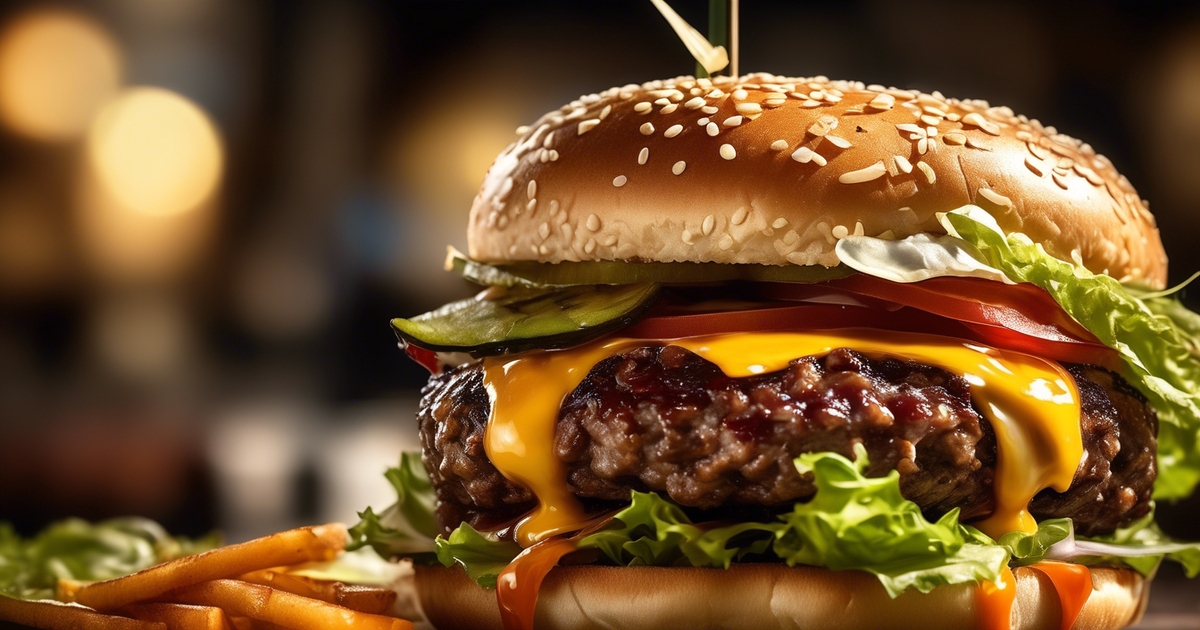
Ever wondered what truly defines a burger? Is it all about the patty, or does the bun play a crucial role? Join us on a journey to unravel the mysteries of this beloved culinary creation. From classic beef patties to innovative plant-based alternatives, the world of burgers is vast and diverse. Let’s dive into the realm of toppings, sauces, and accompaniments that make each burger unique. Get ready to explore how different cultures put their spin on this timeless comfort food. Are you prepared to challenge your preconceptions and broaden your burger horizons at fast food chains?
Key Takeaways
- Know the Definition: Understanding what constitutes a burger can help you differentiate it from other similar food items.
- Choose Ingredients Wisely: Pay attention to the ingredients used in burgers to make healthier and more informed choices.
- Legal Guidelines Matter: Familiarize yourself with the legal qualifications of a burger in the United States to ensure compliance and authenticity.
- Consider Nutrition: Analyze the nutritional aspects of burgers to make balanced meal decisions.
- Balance Health Benefits: Recognize that while burgers can offer protein and essential nutrients, moderation and smart choices are key for a healthy diet.
- Differentiate from Sandwiches: Learn the distinctions between burgers and sandwiches to appreciate their unique characteristics.
Understanding the Definition of a Burger
Traditional Components
A burger typically consists of a ground pork patty sandwiched between two slices of bread, usually a bun. The meat patty can be made from various sources such as beef, chicken, turkey, or even plant-based proteins like tofu or black beans. Burgers often include toppings like lettuce, tomato, cheese, onions, pickles, and condiments such as ketchup and mustard.
Burgers from restaurants are known for their versatility; they can be customized to suit different tastes and dietary preferences. For instance:
- A classic cheeseburger includes a slice of melted cheese on top of the meat patty.
- Veggie burgers cater to vegetarians and vegans by replacing the meat patty with plant-based alternatives.
- Specialty burgers may feature unique ingredients like avocado slices or bacon jam to enhance flavor profiles.
The traditional components of a burger remain consistent across various cultures but may vary slightly depending on regional preferences. In some countries, restaurants might offer unique twists on the classic burger recipe that reflect local culinary traditions.
Popular Fast-Food Item
Burgers have become an iconic fast-food item worldwide due to their convenience, delicious taste, and restaurants. Fast-food chains like McDonald’s, Burger King, Wendy’s offer a wide range of burger options catering to diverse consumer preferences. These establishments serve up millions of burgers daily around the globe.
Fast-food burgers often come in standard variations such as restaurants.
- Quarter Pounder: A burger featuring a 1/4 pound (approximately 113 grams) beef patty.
- Big Mac: Consisting of two beef patties separated by an additional bun layer along with special sauce.
- Whopper: Known for its flame-grilled beef patty topped with fresh vegetables and mayo-based dressing.
Despite being considered fast food fare today, burgers originated centuries ago when German immigrants brought over their “Hamburg steak” recipe to America in the 19th century.
Exploring the Ingredients of a Burger
Types of Meat Patties
Beef, chicken, or veggie patties are common choices for a burger. The meat patty is the star ingredient that gives a burger its identity. Ground meat is seasoned and shaped into a patty before being cooked to perfection at restaurants. Each type of patty brings its unique flavor profile to the meal.
Cheese, lettuce, tomato – each component plays a crucial role in creating the perfect burger experience. Toppings like cheese add richness and creaminess to balance out the savory flavors from the meat patty. Lettuce and tomato provide freshness and crunch, enhancing both texture and taste.
Condiments Elevate Flavor
Condiments like ketchup and mustard act as flavor enhancers for burgers. Just like paint on a canvas, these sauces bring life to every bite by adding tanginess or sweetness based on personal preference. Imagine biting into a juicy burger with just the right amount of ketchup oozing out – it’s pure bliss!
-
Pros:
-
Versatile options for different dietary preferences.
-
Allows customization based on individual tastes.
-
Cons:
-
Overloading toppings can make handling messy.
-
Some condiments may overpower other flavors if not balanced well.
Legal Qualifications of a Burger in the United States
USDA Definition
The USDA defines ground beef as “chopped fresh and/or frozen beef with or without seasoning.” It must contain no more than 30% fat by weight. This regulation ensures that consumers know what they are getting when they purchase ground beef for their burgers.
Ground beef is often used as the main ingredient in burgers due to its versatility and flavor. The USDA definition helps maintain consistency in the quality of meat used, ensuring that it meets certain standards before being labeled and sold to consumers.
Regulations on Labeling Burgers
Products must adhere to specific guidelines set by regulatory bodies such as the FDA. These regulations help prevent misleading information about the contents of a burger. For example, if a burger contains fillers like soy protein, it cannot be labeled simply as “beef.”
Labeling regulations also extend to allergen information. If a burger contains common allergens like milk or wheat, these ingredients must be clearly listed on the packaging. This transparency allows consumers with food allergies to make informed choices when selecting a burger product.
Standards for Food Safety
Ensuring food safety is paramount when defining what qualifies as a burger. The USDA sets strict standards regarding proper cooking temperatures for ground beef to prevent foodborne illnesses. Ground beef should be cooked at an internal temperature of 160°F (71°C) to kill harmful bacteria like E.coli.
Food safety practices also include proper handling and storage of raw ground beef before cooking. Cross-contamination can occur if raw meat comes into contact with other foods or surfaces, leading to potential health risks. Following guidelines for safe food preparation helps reduce the risk of contamination and ensures that burgers are safe for consumption.
Analyzing the Nutritional Aspects of Burgers
High Protein Content
Burgers are known for their high protein content, making them a popular choice for individuals looking to increase their protein intake. Proteins are essential nutrients that help build and repair tissues in our bodies. When you consume a burger, especially one with a beef patty, you’re getting a significant amount of protein in one meal. This is beneficial for muscle growth and overall health.
Consuming burgers can be an efficient way to meet your daily protein needs without having to consume large quantities of food. For example, a single hamburger from popular food chains can contain around 20-25 grams of protein, which is almost half of the recommended daily intake for an average adult.
Calorie-Dense Meal Option
While burgers offer high amounts of proteins, they also tend to be calorie-dense due to ingredients like cheese, sauces, and high-fat cuts of meat. This means that consuming burgers regularly without considering portion sizes or additional toppings can lead to exceeding daily calorie recommendations easily.
It’s essential to be mindful when selecting toppings and side dishes with your burger. Opting for fresh vegetables as toppings instead of bacon or extra cheese can significantly reduce the calorie content while still enjoying a delicious meal. Choosing grilled chicken or veggie patties over beef patties can lower the overall fat content in your burger.
Varied Nutritional Profiles Based on Ingredients
The nutritional profiles of burgers vary depending on the ingredients used in their preparation. For instance:
- Beef burgers tend to be higher in saturated fats compared to chicken or turkey burgers.
- Adding avocado slices provides healthy fats that are beneficial for heart health.
- Whole grain buns offer more fiber than white buns.
Examining the Health Benefits of Burgers
Iron and B Vitamins
Burgers, whether made from red meat or chicken breast, are a good source of iron and B vitamins. These nutrients are essential for various bodily functions. Iron helps transport oxygen in the blood, while B vitamins support energy production.
Including burgers in your diet can help prevent iron deficiency anemia, which can cause fatigue and weakness. Consuming burgers with whole grain buns or adding leafy greens as toppings enhances the nutritional value by providing additional vitamins and minerals.
Protein for Muscle Growth
Protein is crucial for muscle growth and repair, making it an important component of a balanced diet. Burgers contain high levels of protein that aid in building and maintaining muscle mass. Whether you prefer beef or chicken burgers, both options offer substantial protein content.
Pairing your burger with a side salad or grilled vegetables not only adds fiber but also boosts the overall nutrient profile of your meal. This combination ensures that you’re getting a mix of macronutrients like proteins, carbohydrates, and fats along with essential micronutrients.
Distinguishing Between Burgers and Sandwiches
Bun Requirements for Burgers
Burgers are typically served between buns, which are soft, round bread rolls. The bun is a crucial element that distinguishes burgers from sandwiches. Unlike sandwiches that can be made with various types of bread like toasted bread or sliced loaves, burgers require specific buns to hold the ingredients together. For instance, a classic hamburger traditionally features a sesame seed bun as its base.
Choosing the right bun is essential. The softness and sturdiness of the bun play a significant role in ensuring that all the delicious fillings stay intact while eating. Imagine trying to enjoy your favorite beef patty with melted cheese and fresh veggies without a sturdy bun – it would turn into quite a messy ordeal!
Culinary Distinctions in Preparation Methods
Apart from the difference in bun requirements, another key factor that sets burgers apart from sandwiches lies in their preparation methods. Burgers are often grilled or cooked on a griddle, allowing for that distinct charred flavor on the patty. On the other hand, sandwiches can be prepared using various techniques such as panini presses, toasters, or simply assembling cold cuts between slices of bread.
The cooking process plays an integral role in defining whether a dish qualifies as a burger or sandwich. Picture yourself at your favorite diner watching as they grill up juicy lamb patties for your burger order – you wouldn’t expect those same patties to be used between two slices of plain white bread for a sandwich option!
Tracing the History and Origins of Burgers
Evolution of the Burger
Burgers have a fascinating history, originating in 19th-century America. They evolved from Hamburg steak, a dish made popular by German immigrants, into what we now know as burgers. The transition from steak to burger is marked by the addition of various ingredients like onions and breadcrumbs to ground beef, creating a patty that could be cooked quickly and easily sandwiched between buns.
Burgers gained immense popularity post-World War II when returning soldiers craved the familiar tastes they had encountered abroad. This surge in demand led to the rise of hamburger chains across America and eventually worldwide. These chains played a crucial role in standardizing the burger’s components – meat patty, bun, lettuce, tomato, cheese – making it recognizable globally.
Qualifying Characteristics
So what exactly qualifies as a burger? At its core, a burger consists of several key elements: a ground meat patty (traditionally beef but can also be chicken or plant-based), placed inside sliced bread or more commonly today between two halves of a soft bun. While variations exist with different types of meats or even vegetarian options like bean patties or mushroom burgers, these basic components remain consistent across all iterations.
One distinguishing feature that sets burgers apart from sandwiches is their construction; unlike sandwiches where fillings are layered between slices of bread horizontally, burgers are assembled vertically with the filling enclosed within two buns held together by skewers or wrapping paper. This vertical arrangement allows for easy handling without toppings spilling out while maintaining structural integrity until consumed.
Exploring Global Variations of Burgers
Ramen Burger from Japan
Ramen burgers, a popular East Asian fusion dish, replace traditional buns with ramen noodle patties. These unique creations originated in Japan and quickly gained popularity worldwide. The combination of juicy burger patty sandwiched between two crispy ramen noodle “buns” offers a delightful blend of flavors and textures.
The innovation behind the ramen burger showcases how diverse cultures can influence traditional dishes, creating exciting new culinary experiences for food enthusiasts globally.
- Pros:
- Offers a creative twist on the classic burger.
- Provides a gluten-free alternative to conventional buns.
- Cons:
- Can be messy to eat due to the nature of ramen noodles.
Bunless Lettuce Wraps in Low-Carb Versions
For those seeking healthier or low-carb options, bunless lettuce wraps have become increasingly popular. Fast-food outlets and chains now offer these alternatives as part of their menu to cater to health-conscious customers. By replacing high-calorie bread buns with fresh, crisp lettuce leaves, individuals can enjoy their favorite burgers without compromising on taste.
These low-carb versions not only appeal to individuals following specific diets but also contribute to reducing overall calorie intake while maintaining the essence of a classic burger experience.
- Key Information:
- Provides a lighter option for those watching their carb intake.
- Allows customization by adding various fillings like grilled chicken or portobello mushrooms.
Indian Spiced Veggie Burgers
Indian spiced veggie burgers offer a flavorful twist on traditional beef burgers by incorporating aromatic spices such as cumin, coriander, and garam masala. These plant-based alternatives provide an excellent choice for vegetarians or those looking for meat-free options that are rich in flavor and nutrients.
The growing trend of plant-based diets has led fast-food outlets in countries like the United Kingdom and beyond to include Indian spiced veggie burgers on their menus alongside other vegetarian offerings.
- Options:
- Appeals to individuals seeking vegetarian or vegan choices at fast-food restaurants.
- Showcases the versatility of global cuisines within the realm of burger variations.
Unusual and Unique Types of Burgers
Sweet-Savory Combo
Burgers can come in unexpected forms, like the donut burger. Imagine sinking your teeth into a juicy beef patty sandwiched between two glazed donuts – a sweet-savory combo that may sound bizarre but is surprisingly delicious. This unconventional creation blends the richness of the beef with the sweetness of the donut, offering a unique taste experience.
If you have a sweet tooth and enjoy experimenting with flavors, this type of burger might be right up your alley. The contrast between the savory meat and sugary donuts creates a symphony for your taste buds. While it may not be your everyday meal choice, indulging in a donut burger once in a while can be an exciting culinary adventure.
Fusion Creation
Another innovative twist on traditional burgers is the sushi burger fusion. Combining elements from Japanese cuisine with classic American comfort food, this burger replaces buns with rice patties and incorporates sushi ingredients like raw fish or seaweed salad. The result? A visually stunning and flavorful dish that offers a fresh take on conventional burgers.
For those who appreciate both sushi and burgers, this fusion creation provides an opportunity to enjoy two beloved foods in one bite. The marriage of textures and tastes from different culinary traditions showcases how diverse interpretations of what qualifies as a burger can lead to extraordinary gastronomic experiences.
Closing Thoughts
So, now you’re a burger expert! You’ve dived into the juicy world of burgers, learning about their ingredients, history, and global variations. You’ve even discovered some quirky burger types along the way. But hey, don’t just stop here. Why not take your newfound knowledge to the grill and whip up your own signature burger creation? Get those creative juices flowing and experiment with different ingredients to craft a masterpiece that could rival even the most famous burger joints out there. Who knows, you might just stumble upon the next big burger craze! So, go on, grab those buns and patties, and let your burger imagination run wild!
Frequently Asked Questions
What defines a burger?
A burger is typically defined as a sandwich consisting of a cooked patty of ground meat, usually beef, placed inside a sliced bread roll or bun. It often includes various toppings and condiments like lettuce, tomato, cheese, and sauces.
How does the United States legally qualify a burger?
In the United States, for something to be considered a burger legally, it must adhere to specific guidelines set by regulatory bodies. These guidelines usually focus on aspects such as the composition of the patty, cooking methods used, and labeling requirements.
Are burgers and sandwiches the same thing?
While both burgers and sandwiches involve placing fillings between bread slices or buns, they are not exactly the same. Burgers specifically refer to sandwiches with cooked meat patties as their primary filling. Sandwiches have broader variations in terms of fillings beyond just meat.
What are some unique types of burgers around the world?
Global variations of burgers offer diverse options like ramen burgers from Japan using ramen noodles as buns or kangaroo burgers from Australia featuring kangaroo meat patties. Each country puts its twist on this beloved food item to cater to local preferences.
Do all burgers have similar nutritional aspects?
The nutritional aspects of burgers can vary widely based on factors like patty type (beef vs. plant-based), toppings used (cheese, vegetables), cooking methods (grilled vs. fried), and portion sizes. While some may be high in calories and fats, healthier alternatives exist with lean meats and veggies.

