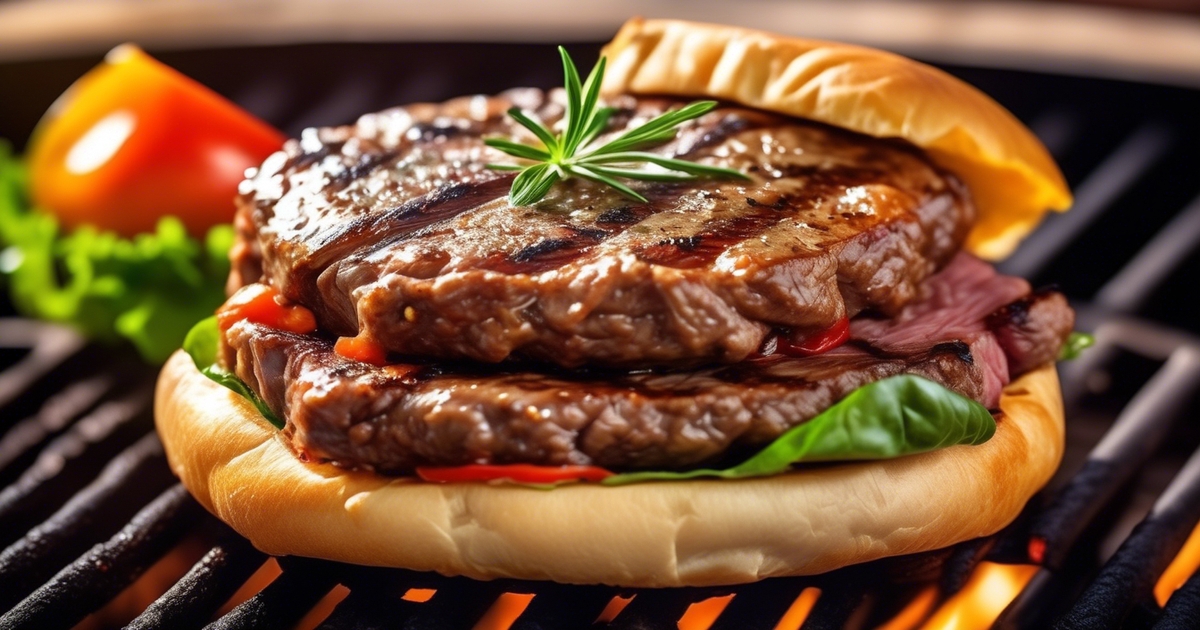
Wondering what type of meat makes the juiciest homemade burgers? The key to crafting mouthwatering patties lies in selecting the right meat. Whether you prefer beef, turkey, chicken, or even plant-based options, each choice brings its unique flavor profile and texture to your burger game. But which one will reign supreme on your grill?
The type of meat you choose sets the stage for a culinary adventure. Are you ready to elevate your burger-making skills and tantalize taste buds with every bite? Let’s dive into the world of meats and uncover which option will steal the show on your next cookout.
Key Takeaways
- Choose ground chuck for flavorful and juicy homemade burgers.
- Opt for meat with a higher fat content, around 20%, for the best texture and taste in your burger patties.
- Experiment with different meat blends like chuck and brisket for a unique flavor profile.
- Grind your meat at home using a food processor or meat grinder for fresher and more customized burger meat.
- Season your burger meat liberally with salt, pepper, and other desired spices to enhance the taste.
- Store ground beef in the coldest part of the refrigerator and use or freeze it within two days for optimal freshness and safety.
Choosing the Best Meat for Homemade Burgers
Ground Chuck for Juicy Burgers
Ground chuck is an excellent choice when making homemade burgers if you want them to be juicy and flavorful. This type of ground meat typically contains around 15-20% fat, which helps keep the burgers moist during cooking. The higher fat content in ground chuck results in a more succulent and rich flavor profile, making it a popular option among burger enthusiasts.
For those who prefer their burgers on the leaner side, ground sirloin is a great alternative. With less fat content compared to ground chuck, ground sirloin still provides a delicious beefy taste without being overly greasy. It’s perfect for individuals looking to enjoy a healthier burger without compromising on flavor or texture.
Experiment with Beef and Pork Blend
If you’re feeling adventurous and want to elevate your burger game, consider experimenting with a blend of both beef and pork. Mixing these two types of meat can add complexity and depth to the flavor profile of your burgers. While beef brings its robust taste, pork introduces a hint of sweetness that can take your homemade burgers to the next level.
When it comes down to selecting the best meat for your homemade burgers, it ultimately boils down to personal preference. Each type of ground meat offers unique characteristics that cater to different tastes and dietary preferences:
-
Pros:
-
Ground chuck adds juiciness.
-
Ground sirloin provides leanness.
-
A mix of beef and pork enhances flavor complexity.
-
Cons:
-
Higher-fat content in ground chuck may not suit everyone’s diet.
-
Leaner options like ground sirloin might result in slightly drier burgers if overcooked.
Selecting the Ideal Fat Content for Burger Meat
Optimal Fat Content for Moist Burgers
When deciding what meat to use for homemade burgers, it’s crucial to consider the fat content. For juicy and flavorful burgers, aim for a fat content between 15-20%. This range ensures that your burger stays moist during cooking, resulting in a delicious bite every time.
Choosing a lean-to-fat ratio of 80/20 strikes an ideal balance, providing enough fat to keep the burger juicy while preventing it from becoming greasy. The slightly higher fat content adds richness and flavor without overwhelming the taste of the meat itself.
Adjusting Fat Content Based on Cooking Method
If you plan on grilling your burgers, opting for meat with a slightly higher fat content is advisable. Grilling can sometimes lead to moisture loss due to the direct heat exposure, making higher-fat meat more suitable as it helps retain juiciness throughout the cooking process.
Creating Your Own Burger Meat Blend
Mixing Ground Beef with Ground Pork
Ground beef mixed with ground pork can give your homemade burgers a unique and delicious taste. The combination of these two meats offers a perfect blend of flavors, adding depth to your burger patty. The ground beef provides the classic beefy flavor, while the ground pork contributes juiciness and tenderness to the meat.
When creating your burger meat blend, consider using a ratio that suits your preference. You can experiment with different proportions of ground beef and ground pork until you find the perfect balance that satisfies your taste buds. For example:
- 75% lean ground beef and 25% ground pork
- Equal parts of both meats (50% lean ground beef and 50% ground pork)
- Custom ratios based on personal preferences
Combining Different Cuts like Brisket and Short Rib
To elevate the richness of your homemade burgers, consider combining various cuts such as brisket and short rib in your meat blend. These cuts offer a more complex flavor profile compared to traditional ground chuck or sirloin alone. By incorporating cuts like brisket for its robust flavor and short rib for its marbling, you create a patty that is not only flavorful but also juicy.
Experimenting with different combinations allows you to tailor the texture and taste of your burger patties according to your liking. For instance:
- Using equal parts of brisket and short rib
- Adding other cuts like chuck or sirloin for additional layers of flavor
- Adjusting the ratios based on desired richness levels
Adding Seasonings like Worcestershire Sauce or Garlic Powder
Enhance the flavor profile of your homemade burgers by incorporating seasonings such as Worcestershire sauce or garlic powder into your meat blend. These seasonings add depth, umami notes, and an extra kick to each bite. Consider experimenting with various seasoning options beyond Worcestershire sauce or garlic powder to customize the taste further based on personal preferences:
- Onion powder for sweetness
- Paprika for smokiness
Tips for Grinding Meat at Home for Burger Patties
Best Meat Options
Selecting the right meat is crucial for crafting delicious homemade burgers. Opt for beef chuck, known for its ideal fat content, providing a juicy and flavorful patty. Consider using a mix of beef cuts like sirloin or brisket to enhance both taste and texture.
When choosing your meat, aim for a good balance of fat content. Lean meats like sirloin can result in dry patties, while fattier options such as short rib or brisket provide juiciness. Experiment with different ratios until you find the perfect blend that suits your preferences.
Other Protein Choices
While beef is the traditional choice, don’t be afraid to venture into other protein options when creating burger patties. Ground pork offers a unique flavor profile and can complement beef well in blends. You can also explore ground turkey or chicken for lighter alternatives without compromising on taste.
Consider mixing various proteins to create custom blends that cater to different tastes. For instance, combining ground pork with bacon bits adds an extra layer of richness and smokiness to your burger patties. Get creative with your protein choices to elevate the flavors in your homemade burgers.
Properly Seasoning Homemade Burger Meat
Generously Season with Salt and Pepper
When preparing homemade burgers, it’s crucial to season the meat adequately. Start by generously seasoning the meat with salt and pepper. These two simple ingredients enhance the flavor of the burger patty, bringing out its natural taste.
To ensure your burgers are flavorful, use a moderate amount of salt in the mixture. Remember that some salt will be lost during cooking, so don’t shy away from seasoning well at this stage. The combination of salt and pepper creates a basic yet essential flavor profile for your homemade burgers.
Enhance Flavor with Herbs like Parsley or Oregano
Aside from salt and pepper, consider adding herbs like parsley or oregano to your burger meat mixture. These herbs can elevate the taste of your homemade burgers by providing additional depth and complexity to each bite.
The inclusion of parsley or oregano not only enhances flavor but also adds a fresh element to your burger patties. Mix these herbs into the ground meat gently to distribute them evenly throughout the mixture without overworking it. This step ensures that every bite is infused with aromatic herb flavors.
Storing and Freezing Ground Beef for Burgers
Freezing Ground Beef
Dividing the meat into portion sizes before freezing is essential. This practice makes it easier to thaw only what you need for a meal without having to defrost the entire package. By storing ground beef in airtight containers or freezer bags, you can prevent freezer burn, which can negatively impact the quality of the meat.
Freezing ground beef allows you to buy in bulk when there are sales or discounts, saving both time and money. When properly frozen, ground beef can last up to 3-4 months without compromising its taste and texture. Remember that using frozen meat within this timeframe ensures that your homemade burgers maintain their best quality.
Benefits of Freezing Ground Beef
Freezing ground beef not only extends its shelf life but also provides convenience by having pre-portioned amounts readily available for use. It enables you to plan ahead for meals and reduces food waste by preserving excess meat effectively. Freezing ground beef at home gives you control over the quality of the ingredients used in your burgers.
Thawing and Handling Burger Meat Safely
Refrigerator Thawing
Thawing meat in the refrigerator overnight is the safest method to ensure even thawing. This process helps maintain the quality of the meat by preventing bacterial growth that can occur during slow or uneven thawing. By allowing the meat to defrost slowly in the fridge, you reduce the risk of harmful bacteria multiplying on its surface.
Opting for ground beef that has been properly thawed ensures a safe and delicious meal. Refreezing previously thawed meat is not recommended as it can lead to a higher risk of bacterial contamination. It’s essential always to follow proper food safety practices when handling raw meats.
Proper Handwashing
After handling raw burger meat, washing your hands thoroughly with soap and warm water is crucial. Proper handwashing removes any potential bacteria picked up from handling raw meat, reducing the risk of cross-contamination with other foods or surfaces in your kitchen. Cleaning all surfaces that came into contact with raw meat, such as cutting boards and countertops, helps prevent spreading harmful bacteria.
To ensure food safety when preparing homemade burgers, always remember these key points:
- Thaw burger meat safely in the refrigerator overnight.
- Avoid refreezing previously thawed meat.
- Wash hands and all surfaces thoroughly after handling raw meat.
Tips for Grilling or Pan-Frying Hamburgers
Choosing the Right Meat
When making homemade burgers, it’s crucial to select the right type of meat. Ground beef is the most common choice, with a fat content of around 80/20 or 85/15 being ideal. The fat adds flavor and juiciness to the burger while preventing it from becoming too dry during cooking.
For those looking for a leaner option, ground turkey or chicken can be used as alternatives. These meats offer a healthier option without compromising on taste. However, since they are lower in fat content compared to beef, they may require additional seasoning or binding agents to prevent them from becoming too dry when cooked.
Mixing Different Meats
Another popular choice is combining different types of meat for unique flavor profiles. For example, mixing ground beef with ground pork can create a juicy and flavorful burger with a hint of sweetness from the pork. Incorporating bacon into the ground meat mixture adds an extra layer of smokiness and richness that elevates the overall taste of the burger.
-
Pros:
-
Ground beef: classic choice with optimal fat content.
-
Ground turkey or chicken: leaner alternative.
-
Mixing meats: allows for customization and unique flavors.
-
Cons:
-
Lean meats may require additional seasoning/binding agents.
Remember that regardless of which type of meat you choose for your homemade burgers, always ensure it is fresh and handled safely to avoid any risks of foodborne illnesses.
Assembling Delicious Homemade Burgers
Ground Beef Selection
When making homemade burgers, the meat you choose is crucial. Opt for ground beef with a higher fat content like 80/20 or 85/15. The fat helps keep the patty juicy and flavorful during cooking, resulting in a moist and delicious burger. Leaner meat can lead to dry and less tasty burgers.
Selecting freshly ground beef from your local butcher or grocery store ensures quality. Avoid pre-packaged patties that may contain fillers or seasonings that alter the taste of your burger. Freshly ground meat allows you to control the seasoning and texture of your patty, giving you a more authentic homemade experience.
Patty Preparation
Forming the patties correctly is essential for a perfect burger. Divide the meat into equal portions to ensure even cooking times and consistent sizes across all patties. Gently shape each portion into a round patty without overworking the meat, as this can result in tough burgers.
Seasoning your patties with simple ingredients like salt and pepper enhances their flavor without overpowering them. Avoid pressing down on the patties while they cook; this retains juices within the meat instead of squeezing them out onto your grill or skillet.
Closing Thoughts
You’ve now mastered the art of crafting the perfect homemade burger, from selecting the juiciest meat to grilling it to perfection. Your burgers are no longer just a meal; they’re a masterpiece waiting to be devoured. So, fire up that grill, get your hands dirty, and create burger magic that will have everyone begging for your secret recipe.
Now that you’re equipped with all the tips and tricks, go forth and conquer the world of homemade burgers. Experiment with different seasonings, try out unique blends of meat, and don’t forget to share your delicious creations with friends and family. Get ready to elevate your burger game and become the ultimate burger connoisseur!
Frequently Asked Questions
What is the best meat to use for homemade burgers?
When making homemade burgers, opt for ground beef with an 80/20 lean-to-fat ratio. This balance ensures juicy and flavorful burgers without being too greasy.
How can I ensure my burger patties are juicy when cooked?
To keep your burger patties juicy, avoid overworking the meat when forming them into patties. Gently shape the meat just until it holds together, as excessive handling can result in tough and dry burgers.
Is it necessary to grind my own meat for homemade burgers?
While grinding your own meat allows you to customize the blend and freshness, store-bought ground beef works well too. Just look for high-quality ground beef with a good fat content for tasty burgers.
Should I season the burger meat before or after shaping into patties?
Seasoning the burger meat right before shaping it into patties helps distribute flavors evenly throughout each bite. Avoid seasoning too far in advance as salt can draw out moisture from the meat.
How long can I store homemade burger patties in the freezer?
For optimal quality, store uncooked burger patties in airtight containers or freezer bags for up to 3 months. Thaw frozen patties overnight in the refrigerator before cooking them to perfection on your grill or stovetop pan.

