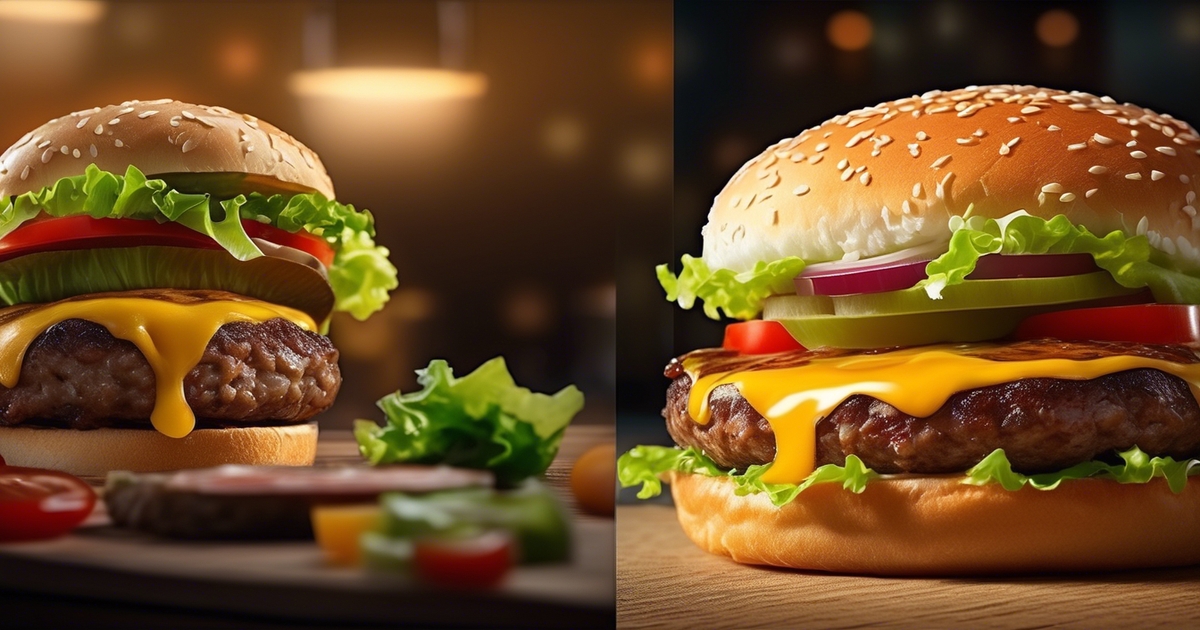
Ever wondered about the nuances between these two staples of American cuisine? The distinction might seem subtle, but it can impact your culinary experience significantly. Dive into this blog post to uncover the secrets behind what sets these savory sandwich delights apart. From taste and texture to cooking methods, we’ll dissect the differences so you can appreciate your next burger even more. Get ready for a mouth-watering journey through the world of ground beef burgers versus hamburger patties!
Key Takeaways
- Understanding the difference between ground beef burgers and hamburger patties can enhance your burger knowledge and dining experience.
- When navigating burger terminology and definitions, remember that they can vary based on regional preferences and culinary traditions.
- Exploring the origin and etymology of burgers sheds light on how this beloved food item has evolved over time.
- Embracing the variations and serving styles of burgers allows you to appreciate the diversity and creativity in burger preparation worldwide.
- Different forms of burgers, from sliders to gourmet creations, offer a range of options for burger enthusiasts to enjoy.
- Paying attention to ground beef labels and the 80/20 ratio can help you make informed choices when selecting ingredients for your homemade burgers.
Clarifying Ground Beef and Hamburger Differences
Raw vs. Seasoned
Ground beef is the raw material used to make a hamburger patty. When you purchase ground beef, it’s simply minced meat without any additives or seasonings. On the other hand, a hamburger patty is seasoned ground beef shaped into a flat round form ready for cooking.
When making burgers at home, you can choose how to season your ground beef before shaping it into patties. This customization allows you to control the flavors in your burger patties based on personal preferences.
Grocery Store Choices
Understanding the difference between ground beef and hamburger patties can help you make informed decisions when shopping at the grocery store. If you prefer to season your meat yourself or want more control over the ingredients in your burgers, purchasing plain ground beef would be ideal.
On the contrary, if convenience is key for you and you prefer not having to add seasoning every time you cook burgers, buying pre-made hamburger patties could save time during meal preparation.
-
Pros:
-
Customization of flavors with plain ground beef.
-
Convenience of pre-seasoned and shaped hamburger patties.
-
Cons:
-
Limited flavor options with pre-made hamburger patties.
-
Less control over ingredients compared to seasoning plain ground beef yourself.
Burger Terminology and Definitions
Understanding Terms
Burger terminology can sometimes be confusing, with terms like sliders, smash burgers, and gourmet burgers having specific meanings. Each term signifies a unique style or preparation method. By understanding these terms, you can enhance your appreciation of the diverse burger landscape.
Knowing the difference between a ground beef burger and a hamburger patty is just the tip of the iceberg. For example, sliders are small hamburgers typically served in pairs or threes. On the other hand, smash burgers involve pressing down on the meat while cooking to create a crispy exterior.
Exploring Variety
Exploring different burger terms opens up a world of culinary possibilities. Gourmet burgers often feature high-quality ingredients like specialty cheeses or unique toppings such as truffle aioli. Veggie burgers cater to non-meat eaters by providing plant-based alternatives that mimic traditional patties.
Let’s delve into more specifics: Have you ever heard of stuffed burgers? These creations involve stuffing cheese or other fillings inside two thin layers of meat before grilling them. This adds an extra burst of flavor when you bite into the juicy patty.
- Bullet list:
- Sliders are small hamburgers.
- Smash burgers have a crispy exterior.
- Gourmet burgers feature high-quality ingredients.
The Origin and Etymology of Burgers
Historical Ties
The term “hamburger” has its roots in Hamburg, Germany. It was brought to the United States by German immigrants. This historical connection explains why we call it a hamburger.
Burgers have come a long way since their humble beginnings. Dating back to the 19th century, burgers were initially made from ground beef and served between slices of bread. Over time, they evolved into the iconic sandwich we know today.
Modern Burger Experience
Understanding the history behind burgers adds depth to our appreciation of this beloved food item. Knowing that it originated from Hamburg, Germany, and has been a staple in American cuisine for centuries enriches our dining experience.
- Historical significance: Appreciating how burgers evolved over time gives us insight into their cultural importance.
- Culinary evolution: From simple sandwiches to gourmet creations, burgers have transformed into versatile dishes enjoyed worldwide.
- Cultural impact: Burgers are not just food; they represent traditions, innovations, and adaptations in culinary arts.
Variations and Serving Styles of Burgers
Serving Styles
Burgers come in various forms, from traditional buns to lettuce wraps or even nestled between grilled cheese sandwiches. These different serving styles cater to diverse preferences and dietary needs. For instance, opting for a lettuce wrap instead of a bun can reduce carb intake.
Exploring unique serving styles not only adds excitement to your meal but also allows you to customize your burger experience. Some people enjoy the classic combination of a soft bun with their patty, while others prefer the crunchiness of lettuce as a wrapper. This variety ensures there’s something for everyone.
-
Pros:
-
Offers versatility in catering to different dietary requirements.
-
Adds novelty and excitement to the dining experience.
-
Cons:
-
Certain serving styles may be messier than others.
Toppings Influence
Regional preferences play a significant role in determining burger toppings such as cheese, bacon, avocado, or even unique sauces like aioli or chipotle mayo. For example, in some regions, adding slices of premium cuts like sirloin on top is considered a delicacy that enhances flavor profiles.
Experimenting with various toppings can elevate the taste profile of your burger significantly. Whether you opt for classic cheddar cheese or decide to go bold with jalapenos and guacamole, toppings contribute immensely to the overall gastronomic experience when indulging in burgers.
- Different regional influences dictate popular topping choices.
- The right combination of toppings can enhance the flavors of your burger dramatically.
Different Forms of Burger Explained
Various Types
Burgers come in different types besides the classic ground beef patty. You can find options like turkey, chicken, or veggie alternatives. For those looking for a smaller snack, sliders are perfect as they offer bite-sized enjoyment. Stuffed burgers take it up a notch by surprising diners with hidden fillings inside.
The diverse forms of burgers cater to a wide range of requirements. For instance, vegetarians might opt for veggie patties while those seeking leaner protein choices could go for turkey or chicken burgers instead of traditional beef ones.
Catering to Preferences
The availability of various burger types ensures that everyone can enjoy this beloved food item regardless of their dietary restrictions or personal tastes. Whether you’re looking for something lighter than a beef patty or want to explore different flavor profiles, there’s a burger out there tailored just for you.
For example, someone who prefers white meat over red might choose a chicken burger for its leaner protein content and milder flavor profile compared to beef patties. On the other hand, individuals who follow vegetarian diets can indulge in veggie burgers made from plant-based ingredients such as beans, vegetables, or grains.
Understanding Ground Beef Labels
Deciphering Label Information
When you’re at the grocery store staring at packages of ground beef, terms like “grass-fed” and “organic” may confuse you. These labels aren’t just fancy jargon; they provide crucial details about how the cattle were raised and fed. For instance, grass-fed indicates that the cows predominantly ate grass rather than grains or other feed types. On the other hand, organic signifies that the cattle were raised without antibiotics or growth hormones.
Understanding these labels is essential because they impact not only your health but also animal welfare and environmental sustainability. By choosing beef components with labels that align with your values, you can support practices that resonate with you. For example, opting for grass-fed beef supports sustainable farming methods and potentially offers meat higher in omega-3 fatty acids.
Quality Indicators in Labels
Apart from production methods, some labels focus on meat quality itself. Certifications such as USDA Prime denote top-tier meat known for its marbling—a web of fat within lean muscle—that enhances flavor and tenderness when cooked. This grading system helps consumers identify cuts suitable for specific cooking methods or occasions.
Decoding these indicators empowers consumers to make informed decisions when selecting ground beef products for their meals. Whether prioritizing taste, nutritional value, or ethical considerations, being able to interpret what different beef components labels mean ensures that your purchase aligns with your preferences and values.
The 80/20 Ratio in Ground Beef Demystified
Understanding Fat Content in Burgers
Ground beef’s fat content, often denoted by the 80/20 ratio, plays a crucial role in burger patty quality. This ratio signifies the lean-to-fat proportion, with beef being the primary ingredient. An 80% lean blend contains enough fat to keep patties moist and flavorful without becoming excessively greasy. When crafting burgers, this balance is key for achieving a juicy texture and rich taste.
Balancing fat content impacts both flavor and juiciness when creating burger patties. Leaner meat may result in dry burgers lacking that succulent bite due to lower fat levels. On the other hand, incorporating too much fat can lead to overly greasy patties that lose their shape during cooking or grilling.
Achieving Tender Texture and Juicy Flavor
By selecting ground beef with an ideal beef ratio of 80% lean meat to 20% fat, you ensure your burgers maintain moisture throughout cooking. The higher fat content contributes to tenderness while infusing each bite with savory flavors from the rendered fats as they cook.
When forming hamburger patties using an 80/20 blend of ground beef, you’re essentially setting yourself up for success on the grill or stovetop. The right amount of fat ensures that your burgers retain their shape while cooking and develop a delicious crust on the outside without sacrificing juiciness within.
Nutrition and Health Benefits of Hamburger Patties
Lean Ground Beef: A Source of Essential Nutrients
Lean ground beef is packed with health benefits. It provides essential nutrients like protein, iron, zinc, and B vitamins crucial for our well-being. These nutrients are vital for various bodily functions such as muscle growth, oxygen transportation in the blood, immune system support, and energy production.
Consuming hamburger patties made from lean ground beef can be a nutritious choice due to its rich content of vitamins and minerals. For instance, iron helps prevent anemia by aiding in the production of red blood cells that carry oxygen throughout the body. Zinc supports immune function and wound healing while B vitamins play a key role in metabolism.
Smart Cooking Methods for Reduced Fat Content
Opting for grilling or baking methods over frying can significantly reduce excess fat content. Grilling allows the fat to drip off during cooking while baking helps retain moisture without adding extra fats or oils. These cooking techniques help maintain the nutritional value of the patty while keeping it flavorful.
Moderation is key when including hamburgers in your diet. While they offer valuable nutrition, consuming them excessively can lead to an intake of saturated fats which may increase cholesterol levels if not balanced with other healthier food choices like vegetables or whole grains. Making smart choices like using whole grain buns instead of white buns or adding extra veggies as toppings can enhance the overall nutritional profile of your burger.
Delving into the History of Hamburgers
Industrial Revolution Influence
Hamburgers rose to fame during the Industrial Revolution, becoming a popular choice due to their convenience. Fast-food chains played a crucial role in spreading the love for hamburgers worldwide. The history of burgers showcases their evolution from simple beginnings to becoming an adored classic.
The hamburger patty is typically made from ground beef, seasoned with various spices and condiments before being cooked. On the other hand, a ground beef burger encompasses the patty along with additional ingredients like cheese, lettuce, tomatoes, pickles, and sauces enclosed within buns. This distinction highlights that while both include ground beef as the primary ingredient, the burger offers more variety in terms of additional toppings.
Evolution of Ingredients
In its early days, hamburgers were basic creations consisting mainly of bread and meat patties. However, over time they have evolved into diverse options featuring various ingredients such as vegetables and different types of meat cuts beyond just lean ground beef. This evolution has allowed for customization based on personal preferences or dietary restrictions.
-
Pros:
-
Versatile dish offering endless topping options.
-
Can cater to different tastes by adjusting ingredients.
-
Cons:
-
Additional toppings can sometimes lead to higher calorie content.
-
May not be suitable for individuals with specific dietary requirements.
-
To make hamburger patties at home:
-
Combine lean ground beef with preferred seasonings.
-
Shape mixture into round patties.
-
Cook on stovetop or grill until desired level of doneness is achieved.
-
Steps in preparing a gourmet ground beef burger:
-
Season lean ground beef with salt and pepper before forming it into patties.
-
Grill or pan-fry the patties until cooked through. 3.. Assemble your burger by layering cheese slices, lettuce, tomato slices, pickles, and your favorite sauce between soft buns.
Summary
You’ve now got the beefy lowdown on the world of burgers. From dissecting the difference between ground beef and hamburger patties to exploring the historical roots of these juicy delights, you’re now a certified burger buff. Understanding the nitty-gritty of burger terminology, variations, and nutritional aspects can help you savor your next burger with a newfound appreciation.
So, next time you sink your teeth into a scrumptious burger, remember the journey it took from humble beginnings to gracing plates worldwide. Dive into the diverse world of burgers, experiment with toppings, or even try your hand at crafting your own signature patty. The burger realm is yours to explore – bon appétit!
Frequently Asked Questions
Is there a difference between a ground beef burger and a hamburger patty?
Absolutely! A ground beef burger typically refers to the entire sandwich, including the bun and toppings, while a hamburger patty specifically denotes just the meat portion. The patty is usually made from ground beef seasoned with various ingredients.
What does the 80/20 ratio in ground beef mean?
The 80/20 ratio means that the ground beef contains 80% lean meat and 20% fat content. This balance of lean meat to fat helps create juicier and more flavorful burgers compared to leaner options.
How can I understand different forms of burgers better?
Burgers come in various forms like sliders, stuffed burgers, or veggie patties. Each form offers a unique taste experience – sliders are small and bite-sized, stuffed burgers have fillings inside the patty, while veggie patties cater to vegetarians with plant-based ingredients.
Are there any health benefits associated with eating hamburger patties?
Hamburger patties provide essential nutrients like protein, iron, zinc, and B vitamins. Opt for lean ground beef options or consider using turkey or plant-based alternatives for healthier choices without compromising on taste.
Where did hamburgers originate from?
The history of hamburgers traces back to Hamburg, Germany in the late 19th century when sailors brought back the concept of raw shredded beef called “Hamburg steak.” Eventually evolving into what we now know as hamburgers – cooked ground meat served between buns.