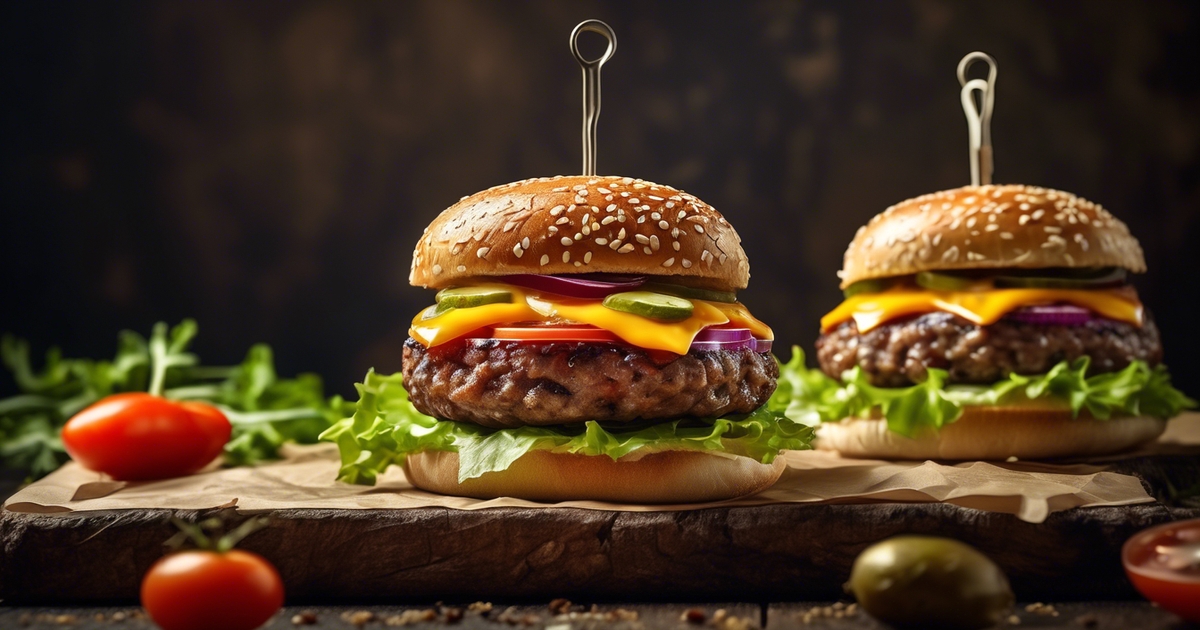
Did you know that the plant-based meat market is projected to reach $85 billion by 2030? With this explosive growth, the debate on whether a burger can truly be a burger without beef, bacon, and quality meat has intensified. As more people embrace vegetarian and vegan lifestyles, alternative options like plant-based burgers have gained popularity. But does swapping out beef for plants compromise the essence of what makes a burger?
Key Takeaways
- Explore Beyond Beef: Burgers can be delicious and diverse even without beef, offering a range of flavors and textures to try.
- Get Creative: Experiment with non-beef burger varieties and recipes using ingredients like chicken, turkey, fish, or plant-based alternatives for a unique culinary experience.
- Embrace Global Flavors: Discover the world of burgers by exploring global variations that showcase different cultural influences and ingredients.
- Consider Nutrition: Be mindful of the nutritional aspects of different burger types, opting for healthier alternatives when possible to balance taste and health benefits.
- Try Something New: Venture into unconventional and unique burger creations that challenge traditional norms, expanding your palate and culinary horizons.
- Understand the Distinction: Differentiate between a burger and a sandwich based on key characteristics like the type of bread used, the presence of fillings, and the overall structure.
Defining a Burger Beyond Beef
The Versatility of Burgers
Burgers are not limited to beef patties. They can be created using various ingredients, allowing for endless possibilities in flavors and textures. From juicy turkey burgers to flavorful veggie burgers, the definition of a burger, a sandwich, has expanded far beyond just beef. These alternatives cater to diverse dietary preferences and restrictions, making burgers accessible to a wider audience.
Plant-based options have surged in popularity due to their environmental sustainability and health benefits. Plant-based burgers offer a meat-like experience without the use of animal products, appealing to both vegetarians and omnivores alike. Brands like Beyond Meat and Impossible Foods have revolutionized the market with their realistic plant-based burger patties that sizzle on the grill and satisfy cravings for a classic burger taste.
Embracing Non-Traditional Ingredients
Innovative chefs in restaurants are pushing boundaries by incorporating unconventional ingredients into burger creations. Quinoa, black beans, lentils, mushrooms – these non-traditional components bring unique flavors and textures to burgers while providing essential nutrients. For example, black bean burgers offer a hearty texture with a hint of smokiness that appeals to those seeking an alternative protein source.
Pros:
- Diverse flavor options
- Catering to various dietary needs
Cons:
- May not appeal to traditionalists
- Texture variations compared to beef
Origins and Evolution of the Hamburger
Rich History
The hamburger has an intriguing past that stretches back to the 19th century. Its journey through time reveals a fascinating tale of culinary creativity and innovation. Originating from Hamburg, Germany, this iconic dish transcended borders to become a global favorite.
The evolution of the hamburger is not just about changing ingredients; it’s also about embracing diverse cultural influences in restaurants and styling. From its humble beginnings as a beef patty sandwiched between two slices of bread to the modern-day gourmet creations featuring plant-based alternatives, the burger has continuously adapted to meet evolving tastes and preferences.
Cultural Influences
Hamburg, Germany, holds a special place in the heart of every burger lover as it played an instrumental role in giving birth to this beloved food item. The city’s culinary heritage and traditions laid the foundation for what would eventually become one of the most popular dishes worldwide.
When exploring whether a burger can exist without beef, it’s essential to acknowledge how various cultures have put their unique spin on this classic dish. For instance, in India, you’ll find vegetarian burgers made with spiced potato patties or lentils instead of beef. In Japan, burgers are often served with teriyaki sauce and topped with ingredients like seaweed or wasabi mayo.
The Hamburger’s Name Origin and Terminology
Burger Naming Convention
Burgers have a fascinating history, with the term “hamburger” originating from Hamburg, Germany. Despite its name, traditional hamburgers didn’t always contain beef. Understanding the evolution of burger terminology adds depth to our enjoyment of this popular dish.
In different regions worldwide, burgers are known by various names that reflect local preferences and ingredients. For instance, in Australia, a burger with beetroot is called a “beetroot burger,” while in New Zealand, it’s commonly referred to as a “kiwiburger.” These regional variations highlight how diverse cultures have put their spin on this classic meal.
Appreciating Burger Varieties
Exploring restaurants and the world of burgers can lead to discovering unique variations beyond the typical beef patty. Vegetarian and vegan options like black bean burgers or portobello mushroom burgers offer flavorful alternatives for those looking to enjoy a meatless version. Turkey or chicken patties provide leaner options for health-conscious individuals without compromising taste.
- Burgers named after cities: Juicy Lucy (Minneapolis), Jucy Lucy (St. Paul)
- Global variations: Ramen Burger (Japan), Bao Burger (Taiwan)
Non-Beef Burger Varieties and Recipes
Popular Alternatives
Chicken, turkey, and veggie burgers have gained popularity as alternative options to traditional beef burgers. These alternatives provide a lighter option for those looking to reduce their red meat intake or follow specific dietary preferences. Chicken burgers are often leaner and lower in fat compared to beef patties.
They offer a unique flavor profile that is slightly different from both beef and chicken. The taste is often described as milder than beef but juicier than chicken. Veggie burgers, on the other hand, cater to vegetarians and vegans seeking plant-based protein sources.
Creative Recipes
The world of non-beef burgers offers endless possibilities. From spicy black bean patties to quinoa-stuffed portobello mushrooms, there are innovative ways to enjoy a burger without using beef. For example, you can try making a grilled buffalo chicken burger topped with creamy blue cheese dressing for a flavorful twist on a classic favorite.
Experimenting with ingredients like lentils, chickpeas, sweet potatoes, or even seafood can result in unique burger creations that are packed with flavor and nutrients. Whether you prefer your patty grilled, baked, or pan-seared, there are plenty of methods to cook up delicious non-beef burgers at home.
Global Variations of Burgers
Culinary Creativity
Burgers have evolved globally, adapting to regional tastes and ingredients. From the classic American beef patty to unique creations worldwide, culinary creativity shines through in burger variations. In Japan, you can find a rice burger where the traditional bun is replaced by compressed rice patties. This inventive twist showcases how different cultures put their spin on a beloved dish.
The Middle East offers shawarma burgers with flavorful spiced meats and tahini sauce, blending traditional flavors with the familiar burger format. These international adaptations demonstrate how regional flavors influence culinary innovation across borders. Whether it’s using local spices or incorporating cultural staples like kimchi in Korean burgers, each variation tells a story of heritage and creativity.
Fusion Burger Creations
Globalization has played a significant role in merging culinary traditions to create fusion burgers that push boundaries. The United States alone boasts diverse fusion options like sushi burgers combining Japanese sushi elements with American burger concepts. These innovative creations attract food enthusiasts seeking new taste experiences that blend international influences into one delicious package.
Nutritional Aspects of Different Burger Types
Variability in Nutrition
Different burger types offer varying nutritional values. Some burgers are high in fat and protein, while others are healthier options with lower fat content. Understanding the nutrition of different burgers is crucial for making informed choices about what to eat.
Burgers made with lean meats like turkey or chicken tend to be lower in fat compared to traditional beef burgers. These alternatives can provide a good source of protein while reducing overall calorie intake. On the other hand, plant-based burgers made from ingredients like black beans, quinoa, or mushrooms offer a flavorful option that is typically lower in saturated fats than meat-based counterparts.
Health-Conscious Options
For individuals looking for more health-conscious choices, opting for burgers with lean meats or plant-based patties can be beneficial. Lean meat options provide essential nutrients without excessive amounts of unhealthy fats, promoting better heart health and weight management. Plant-based burgers often contain less cholesterol and may have additional benefits such as being rich in fiber and antioxidants.
Pros:
- Lean meat options offer essential nutrients.
- Plant-based patties are low in cholesterol and high in fiber.
Cons:
- Traditional beef burgers can be higher in unhealthy fats.
- Some plant-based alternatives may include processed ingredients.
Different Types of Meat in Burgers
Lamb, Pork, and Seafood
Lamb, pork, and seafood are commonly used as alternatives to beef in burgers. Quality meat like lamb can bring a unique flavor to the burger patty. Pork offers a juicy and slightly sweet taste that differs from traditional beef burgers. Seafood options such as salmon or shrimp provide a lighter and fresher take on this classic dish.
Experimenting with different meats can lead to exciting flavor profiles in burgers. For example, mixing ground lamb with Middle Eastern spices creates a Mediterranean-inspired burger bursting with aromatic flavors. Using ground pork seasoned with herbs like sage and thyme results in a savory patty perfect for those seeking something different from the usual beef option.
Variety Adds Excitement
The diversity of meats available for burgers allows for endless possibilities. Each type of meat brings its own set of characteristics that can elevate the burger experience. Opting for chicken breast instead of beef produces a leaner patty while still offering ample protein content.
Integrating various meats into burger recipes not only adds variety but also caters to different dietary preferences or restrictions. Those looking for healthier options may appreciate chicken or turkey burgers over traditional beef patties due to their lower fat content. Using seafood like tuna or crab opens up opportunities for seafood lovers to enjoy their favorite flavors in burger form.
Unconventional and Unique Burger Creations
Pushing Culinary Boundaries
In the realm of burgers, creativity reigns supreme. Unique burger creations are not bound by traditional ingredients like beef or chicken. Chefs experiment with unconventional elements to redefine what a burger can be. Imagine sinking your teeth into a juicy patty made from bison meat or even plant-based alternatives that mimic the taste and texture of beef.
Burgers featuring exotic meats such as kangaroo, ostrich, or venison cater to adventurous palates seeking new flavors. These unconventional ingredients bring excitement to the dining experience and challenge conventional ideas about burgers. Picture a perfectly grilled kangaroo patty topped with crispy bacon strips, melted cheese, and fresh avocado slices—all nestled between two fluffy buns.
Redefining Burgers with Exotic Meats
Restaurants around the globe embrace this trend of pushing culinary boundaries in their burger offerings. By incorporating unique toppings like fried eggs, macaroni and cheese, or even pineapple slices, chefs elevate the classic burger into an extraordinary culinary delight. The marriage of sweet and savory flavors creates an explosion for your taste buds—a far cry from traditional fast-food fare.
Some establishments take it a step further by experimenting with different types of buns—think ramen noodle “buns” or grilled cheese sandwiches serving as the top and bottom layers for your gourmet creation. These inventive twists on a beloved classic demonstrate thatInnovation knows no bounds.
Distinction Between a Burger and a Sandwich
Ingredients Make the Difference
A burger typically consists of a ground patty, usually made from beef, as the main ingredient. On the other hand, sandwiches have a more extensive range of fillings and bread types. For instance, if you see a menu offering options like grilled chicken or veggie patties between slices of bread with condiments like mustard or ketchup, that’s likely not considered a burger.
Understanding this distinction is crucial. It helps differentiate between various dishes based on their core components. Imagine ordering something labeled as a burger but receiving two pieces of bread with turkey slices in between – that would be quite different from what you were expecting!
Culinary Classifications Matter
The distinction between burgers and sandwiches isn’t just about semantics; it’s also about tradition and expectations. Burgers are known for their juicy beef patties nestled within buns, often topped with lettuce, tomato, cheese, pickles – all stacked up high in an iconic style. Meanwhile,** sandwiches** can take many forms: from classic ham and cheese on rye to elaborate club sandwiches with multiple layers.
Considering these distinctions when creating or ordering food ensures that everyone is on the same page regarding what they’ll be served. It’s akin to knowing whether you’re signing up for an action movie or a romantic comedy; each has its own set of characteristics that define the experience.
Final Remarks
You’ve just taken a wild ride through the world of burgers beyond beef. From the juicy plant-based patties to the exotic meat blends, we’ve explored how diverse and exciting the burger universe can be. Whether you’re a traditionalist sticking to the classic beef or an adventurous foodie trying out unconventional creations, there’s a burger out there for everyone. Remember, it’s not just about what’s between the buns; it’s about the experience and flavors that make each bite memorable. So, next time you sink your teeth into a burger, think about the endless possibilities and flavors waiting to be discovered in every bite.
Go on, embark on your burger adventure and savor the endless options available. Who knows, you might just stumble upon your new favorite burger that defies all expectations! Now go forth and explore the vast and delicious world of burgers!
Frequently Asked Questions
Can a burger be considered a burger if it doesn’t contain beef?
Yes, absolutely! Burgers can be made with various ingredients like chicken, turkey, fish, or even plant-based alternatives. The essence of a burger lies in the patty sandwiched between buns along with other toppings and condiments.
Are there any nutritional benefits to non-beef burgers?
Definitely! Non-beef burgers offer diverse nutrients based on the patty’s ingredients. For instance, plant-based burgers can provide fiber and vitamins while turkey burgers are leaner options. It’s essential to consider the overall balance of your meal for optimal nutrition.
How do unconventional burger creations impact the culinary world?
Unconventional burgers spark creativity and innovation in the culinary realm by pushing boundaries and challenging traditional norms. These unique creations not only cater to diverse tastes but also inspire chefs and food enthusiasts to experiment with new flavors and textures.
What distinguishes a burger from a sandwich?
The key differentiator is that sandwiches encompass various fillings enclosed between bread slices, while burgers specifically feature a patty as the focal point within buns. Burgers often incorporate specific condiments like ketchup or mustard that are traditionally associated with this beloved dish.
Why explore global variations of burgers?
Exploring global burger variations offers insights into different cultures’ culinary preferences and traditions. It allows us to appreciate how each region infuses its unique flavors and ingredients into this universally loved comfort food, showcasing diversity in taste profiles worldwide.

