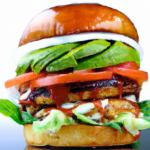
Picture this: you’re craving the best burgers, stovetop burgers, one that’s juicy, flavorful, and cooked to perfection. But you don’t want to go through the hassle of firing up the grill for stovetop burgers or dealing with the smoke. Instead, try these delicious recipes that involve bread and toast. In this blog post, I’m going to share with you a delicious recipe for pan-frying hamburgers using an iron skillet. With this recipe, you can make perfect burgers right in your own kitchen using bread as the bun.
Pan-frying is an underrated technique that can elevate your hamburger game to new heights. With the perfect doneness and a touch of oil, this recipe will take your burgers to the next level. From forming the ideal hamburgers patty to achieving that irresistible sear on the outside while keeping it juicy on the inside – I’ve got you covered. Leave a reply if you have any questions or comments. Get ready to unleash your inner chef as we dive into expert tips and techniques for pan-frying hamburgers that will impress friends and family alike. Don’t forget to reply with your favorite burger recipe!
So grab your favorite bun, heat up some oil or fat in a skillet, and let’s dive into the world of pan-fried burgers! Don’t forget to reply.
Selecting the Best Beef for Pan-Fried Burgers
Selecting the right beef is crucial. The quality of the meat you choose will directly impact the taste, texture, and reply of your burger. So, let’s dive into the importance of choosing high-quality beef for delicious burgers.
Importance of Choosing High-Quality Beef
Selecting high-quality beef is essential because it ensures a flavorful and juicy burger. High-quality beef, including my favorite burger patty, comes from well-raised, well-fed cattle. This ensures superior taste and tenderness in my frozen burger. To enhance the flavor, I love adding a variety of delicious burger toppings. It also contains less connective tissue, making it easier to cook evenly.
Different Cuts of Beef for Pan-Frying
Certain cuts of beef work best. Here are a few options to consider:
- Ground Chuck: Ground chuck is an excellent choice for pan-fried burgers due to its ideal fat-to-meat ratio (around 80% lean and 20% fat). This combination results in juicy and flavorful patties.
- Sirloin: Sirloin is another popular cut that produces delicious burgers when ground. It has a slightly lower fat content than chuck but still provides great flavor.
- Brisket: Brisket offers rich flavor and tenderness when used in burgers. It has a higher fat content, which contributes to moist and succulent patties.
- Short Rib: Short rib meat adds exceptional richness and juiciness to pan-fried burgers. Its marbling enhances both flavor and texture.
Ideal Fat-to-Meat Ratio
The fat-to-meat ratio plays a significant role in creating a perfectly cooked burger with optimal juiciness and flavor. While there are personal preferences involved, an 80/20 or 85/15 ratio (lean meat to fat) is generally recommended for pan-frying burgers.
- Pros:
- Higher fat content adds moisture and flavor to the burger.
- Fat helps prevent the meat from becoming dry during cooking.
- Cons:
- Higher fat content can lead to excessive shrinkage during cooking.
- Some individuals prefer leaner burgers for health reasons.
Selecting Lean or Fatty Ground Beef
Choosing between lean or fatty ground beef depends on personal preference and dietary considerations. Here’s a breakdown of the two options:
- Lean Ground Beef: If you prefer a healthier option, lean ground beef with a lower fat content (90/10 or 93/7 ratio) is suitable. It produces leaner burgers with less grease.
- Fatty Ground Beef: On the other hand, if you crave a juicier and more flavorful burger, opt for fattier ground beef (80/20 or 85/15 ratio). The higher fat content enhances both taste and texture.
Remember that while lean ground beef may be healthier, it can result in drier burgers if not cooked properly. Fatty ground beef offers more forgiving results due to its higher fat content.
Preheating for Success: Setting the Stage for Pan-Frying Excellence
To pan-fry a perfect burger, preheating your skillet is an essential step that sets the stage for culinary greatness. Let’s dive into why preheating is crucial and how you can achieve the perfect sear by following these simple steps.
Find out why preheating your pan is crucial for achieving a perfect sear.
Preheating your pan before adding the patties ensures that they cook evenly and develop a beautiful crust. When you place your burgers on a hot skillet, it immediately starts to sear the surface, locking in all those delicious juices and flavors. Without proper preheating, you risk ending up with burgers that are either undercooked or lack that desirable charred exterior.
Learn how to determine the right temperature before adding your patties.
The key to successful pan-frying lies in finding the sweet spot. For most burgers, medium-high heat works best. This allows them to cook through without burning on the outside. A good rule of thumb is to let your skillet heat up for about 5 minutes over medium heat before cranking it up to medium-high just before adding the patties.
Discover methods to evenly distribute heat across the pan surface.
To ensure even cooking and avoid any hot spots, take a moment to distribute heat across the entire surface of your skillet. You can do this by gently swirling or tilting the pan back and forth once it’s heated up. This technique helps disperse any concentrated areas of heat and guarantees that each burger receives equal attention from start to finish.
Understand why allowing sufficient preheating time leads to better results.
Patience is key. While it may be tempting to rush things along, allowing sufficient time for preheating pays off in terms of flavor and texture. The heat needs time to penetrate the meat, creating that mouthwatering sear and ensuring the burger is cooked to perfection. So resist the urge to rush and give your skillet ample time to reach its optimal temperature.
Pro Tips:
- Season your burgers just before placing them in the hot skillet. This prevents the salt from drawing out moisture, ensuring a juicy burger.
- If you’re unsure about the temperature of your skillet, sprinkle a few drops of water on it. If they sizzle and evaporate almost instantly, you know it’s hot enough.
- Don’t overcrowd the pan with too many patties at once. Give each burger enough space to cook evenly without steaming each other.
By following these preheating techniques and understanding why they are crucial for pan-frying excellence, you’ll be well on your way to cooking up mouthwatering burgers that are sure to impress. Remember, patience and attention to detail are key ingredients.
Pan-Frying Basics: Tools and Step-by-Step Instructions
In order to pan-fry a perfect burger, it’s important to have the right tools and follow step-by-step instructions. Here’s what you need to know:
Gather Essential Tools
Before you start pan-frying your burger, make sure you have these essential tools on hand:
- Skillet: Opt for an iron skillet or pan as they distribute heat evenly and retain it well.
- Spatula: Choose a sturdy spatula with a wide, flat surface for easy flipping.
- Meat Thermometer: This tool is crucial for ensuring your burger is cooked to perfection.
Form Perfectly Shaped Burger Patties
To create perfectly shaped burger patties, follow these steps:
- Ingredients: Start by gathering your ingredients – ground beef, spices of your choice (such as salt, pepper, garlic powder), and any additional mix-ins like diced onions or shredded cheese.
- Mixing: In a bowl, combine the ground beef and spices using your hands or a fork until well incorporated.
- Portioning: Divide the mixture into equal portions based on how big you want your burgers to be.
- Shaping: Gently shape each portion into a patty using your hands. Make sure not to overwork the meat as it can result in tough burgers.
Seasoning and Safe Handling of Raw Meat
Seasoning and handling raw meat safely are crucial steps in preparing your burger:
- Seasoning: Sprinkle both sides of each patty with salt and pepper or any other desired spices before placing them in the skillet.
- Safe Handling: When handling raw meat, always wash your hands thoroughly before and after touching it. Avoid cross-contamination by using separate utensils and cutting boards for raw meat.
Master Flipping Techniques
Flipping your burger properly is essential to ensure even cooking without losing juiciness. Follow these tips:
- Timing: Cook the first side of the patty for about 4-5 minutes before flipping it.
- Technique: Use a spatula to gently lift and flip the patty in one swift motion. Avoid pressing down on the patty as it can squeeze out the juices.
- Cooking Time: Cook the second side for an additional 4-5 minutes, or until the internal temperature reaches your desired level of doneness (use a meat thermometer to check).
By following these steps and using the right tools, you’ll be able to pan-fry a perfect burger every time. Experiment with different seasonings and toppings to create your own signature recipe.
Achieving Perfect Timing: Cooking Burgers to Perfection on the Stove
Cooking burgers to perfection requires mastering the art of timing. Understanding cooking times based on desired doneness, recognizing visual cues for flipping, and implementing timing techniques are all crucial steps in creating that perfect pan-fried burger.
Understand cooking times based on desired doneness
To achieve the perfect doneness for your burger, it’s important to be aware of different cooking times. Here’s a breakdown:
- Rare: Cook for about 2-3 minutes per side.
- Medium-rare: Cook for approximately 3-4 minutes per side.
- Medium: Cook for around 4-5 minutes per side.
- Well-done: Cook for about 5-6 minutes per side.
Remember that these times may vary depending on the thickness of your patty and personal preference. It’s always a good idea to use a meat thermometer to ensure accurate results.
Discover visual cues that indicate when it’s time to flip your burgers in the pan
While cooking burgers, keep an eye out for visual cues that signify when it’s time to flip them:
- Juices on Top: As the patty cooks, you’ll notice juices starting to accumulate on top. Once you see this happening, it’s usually a sign that it’s time to flip.
- Edges Browning: Another indicator is when you observe the edges of the patty starting to brown. This suggests that the bottom side has cooked sufficiently and is ready for flipping.
By paying attention to these visual cues, you can prevent overcooking or undercooking your patties.
Master timing techniques that prevent overcooking or undercooking your patties
Timing is everything. Here are some techniques to help you master timing:
- Room Temperature Patties: Allow your patties to come up to room temperature before cooking. This ensures even cooking throughout the patty.
- Preheated Pan: Make sure your pan is properly preheated before adding the patties. A hot pan helps sear the meat and locks in juices.
- Avoid Constant Flipping: Resist the temptation to constantly flip your burgers. Flipping them once is usually sufficient, allowing each side to cook evenly.
By implementing these timing techniques, you can ensure that your burgers are cooked to perfection without overcooking or undercooking them.
Learn how resting cooked burgers enhances their juiciness and flavor
Resting your cooked burgers is a crucial step that shouldn’t be overlooked. When you remove the patties from the heat, let them rest for a few minutes before serving. This allows the juices to redistribute within the meat, resulting in a juicier and more flavorful burger.
During this resting period, cover the patties loosely with foil or place them on a warm plate. This will help retain heat while preventing them from becoming too dry.
Elevating Flavor: Expert Tips for Pan-Frying Fresh Hamburger Patties
To truly create a mouthwatering burger experience, it’s all about the flavor. The right combination of seasonings, ingredients, cheeses, and toppings can take your pan-fried burgers from ordinary to extraordinary.
Creative Seasoning Ideas
There are endless possibilities. While salt and pepper are classic choices, don’t be afraid to get creative with additional flavors. Here are some ideas to consider:
- Mix in minced garlic or onions for an extra kick.
- Add Worcestershire sauce or soy sauce for a savory umami flavor.
- Experiment with different herbs and spices like paprika, cumin, or chili powder for a unique twist.
- Consider using flavored salts or spice blends to add depth and complexity.
By playing around with different combinations of seasonings, you can customize your burger patties to suit your taste preferences and create a flavor profile that stands out.
Infusing Flavors into the Ground Beef Mixture
If you want your burgers bursting with flavor from the inside out, try adding ingredients directly into the ground beef mixture before shaping them into patties. This technique allows the flavors to meld together seamlessly as the burgers cook. Here are some delicious options:
- Mix in grated cheese like cheddar or blue cheese for a gooey surprise in every bite.
- Incorporate finely chopped herbs like parsley or cilantro for a fresh and vibrant taste.
- Add diced jalapenos or roasted red peppers for a spicy kick.
By infusing flavors into the ground beef mixture itself, you ensure that every bite is packed with deliciousness.
Exploring Cheese Options and Melting Techniques
Cheese is an essential component of a great burger, and the type of cheese you choose can make a big difference in flavor. Here are some popular cheese options and melting techniques to consider:
- Classic American cheese: Known for its creamy texture and mild flavor, it melts beautifully on burgers.
- Sharp cheddar: With its rich and tangy taste, sharp cheddar adds a bold flavor to your burger.
- Blue cheese: If you’re looking for something more adventurous, blue cheese offers a distinct and pungent taste.
To achieve perfectly melted cheese, cover the pan with a lid or use the “cheese melt” method by placing a slice of cheese on top of each patty during the last few minutes of cooking. The residual heat will melt the cheese into ooey-gooey goodness.
Creating Gourmet Toppings and Sauces
Toppings and sauces can take your burgers to the next level by adding layers of flavors. Consider these ideas for gourmet toppings:
- Caramelized onions: Sautéed until golden brown, caramelized onions add sweetness and depth.
- Avocado slices: Creamy avocado provides a luxurious texture and subtle flavor.
- Crispy bacon: For that irresistible smoky crunch, crispy bacon is always a winner.
Think beyond ketchup and mustard. Experiment with homemade aioli, chipotle mayo, or tangy barbecue sauce to add an extra dimension of taste.
By incorporating these expert tips into your burger-making process, you’ll be able to create pan-fried hamburgers that are bursting with flavor. Whether you’re hosting a backyard barbecue or simply craving a delicious meal at home, these techniques will elevate your burger game to new heights!
Exploring Alternative Cooking Methods for Burgers
If you’re tired of the same old pan-fried burgers, it’s time to switch things up and explore alternative cooking methods. Grilling, broiling, and baking are all excellent options that can add variety to your burger game. Each method has its pros and cons compared to pan-frying, so let’s dive in and discover the best way to cook a perfect burger.
Grilling: The Classic Outdoor Option
Grilling is a popular choice for cooking burgers, especially during summer barbecues. It imparts a smoky flavor and creates those beautiful grill marks that make your burger look mouthwatering. One advantage of grilling is that it allows the fat to drip away from the meat, resulting in a leaner patty. However, grilling can be tricky as it requires precise temperature control to avoid overcooking or undercooking your burger.
Pros:
- Smoky flavor and appealing grill marks.
- Fat drips away for a leaner patty.
Cons:
- Requires precise temperature control.
- Weather-dependent (outdoor only).
Broiling: A Convenient Indoor Method
If you don’t have access to an outdoor grill or simply prefer cooking indoors, broiling is an excellent alternative. Broiling exposes the burger patties directly to high heat from above, giving them a nice charred exterior while keeping the inside juicy. It’s a convenient method that doesn’t require flipping the patties like grilling does. However, be cautious not to overcook your burgers under the intense heat of the broiler.
Pros:
- Charred exterior with juicy interior.
- No need for flipping.
Cons:
- Intense heat can lead to overcooking if not careful.
- Limited capacity depending on oven size.
Baking: A Foolproof Option
Baking may not be the most traditional method for cooking burgers but hear me out – it can produce delicious results. Baking allows for even cooking and is an excellent choice when making a large batch of burgers. It’s also a foolproof option for those who are new to cooking or prefer a hands-off approach. However, the lack of direct heat can result in less browning and grill-like char on the patties.
Pros:
- Even cooking, especially for larger batches.
- Easy and hands-off method.
Cons:
- Less browning and char compared to grilling or broiling.
- Lack of direct heat may affect texture.
Adapting Pan-Frying Recipes to Other Methods
If you have a favorite pan-frying recipe but want to try an alternative cooking method, fear not! You can easily adapt your recipe to suit grilling, broiling, or baking. Here are some tips:
- For grilling: Preheat your grill to medium-high heat and oil the grates. Cook the patties for about 4-5 minutes per side until they reach your desired level of doneness.
- For broiling: Adjust the oven rack to the highest position and preheat the broiler. Place the patties on a broiler pan or wire rack set over a baking sheet. Broil for approximately 4-6 minutes per side, keeping a close eye on them.
- For baking: Preheat your oven to 375°F (190°C) and place the patties on a parchment-lined baking sheet. Bake for around 15-20 minutes until they are cooked through.
Experimentation is Key!
Ultimately, finding your preferred way of cooking burgers comes down to personal preference. So don’t be afraid to experiment with different methods and techniques until you discover what works best for you. Whether it’s stovetop frying, grilling outdoors, broiling in the oven, or baking in bulk – there’s no wrong way as long as you end up with a juicy, flavorful burger.
Elevate Your Burger Game with Pan-Frying Mastery
Congratulations! You’ve now mastered the essential sections of pan-frying a perfect burger. From selecting the finest beef to achieving impeccable timing, you’ve learned the art of creating mouthwatering burgers on your stovetop. But we’re not done just yet. It’s time to take your burger game to new heights and explore alternative cooking methods that will surprise and delight your taste buds. So, put on your apron, fire up the stove, and let’s dive into the exciting world of burger experimentation!
But wait, before you embark on this culinary adventure, remember that practice makes perfect. Don’t be discouraged if your first attempt isn’t flawless – it’s all part of the learning process. Embrace each flip of the patty as an opportunity for growth and improvement. And most importantly, have fun with it! Experiment with different seasonings, toppings, and cooking techniques until you find your signature pan-fried burger masterpiece.
FAQs
Can I use ground turkey instead of beef for pan-fried burgers?
Yes, absolutely! Ground turkey can be a delicious alternative to beef when pan-frying burgers. Just make sure to choose lean ground turkey to avoid excessive grease in your patties.
How do I know when my burger is cooked to perfection?
The best way to determine if a burger is cooked to perfection is by using an instant-read meat thermometer. For medium-rare burgers, aim for an internal temperature of 135°F (57°C), while medium burgers should reach 145°F (63°C). Remember to insert the thermometer into the thickest part of the patty without touching any bones or gristle.
What are some creative topping ideas for pan-fried burgers?
Get adventurous with your toppings! Try adding caramelized onions, sautéed mushrooms, crispy bacon strips, avocado slices, or even a fried egg on top of your pan-fried burgers. The possibilities are endless, so let your taste buds guide you.
Can I freeze uncooked burger patties for later use?
Absolutely! If you want to prepare burger patties in advance, simply shape them and separate each patty with wax paper or parchment paper. Place them in an airtight container or freezer bag, and they can be safely stored in the freezer for up to three months.
How do I prevent my burger from shrinking while pan-frying?
To minimize shrinkage, make sure not to overwork the ground beef when forming your patties. Gently shape them without compressing too tightly. Creating a small indentation in the center of each patty before cooking can help maintain their shape as they cook.