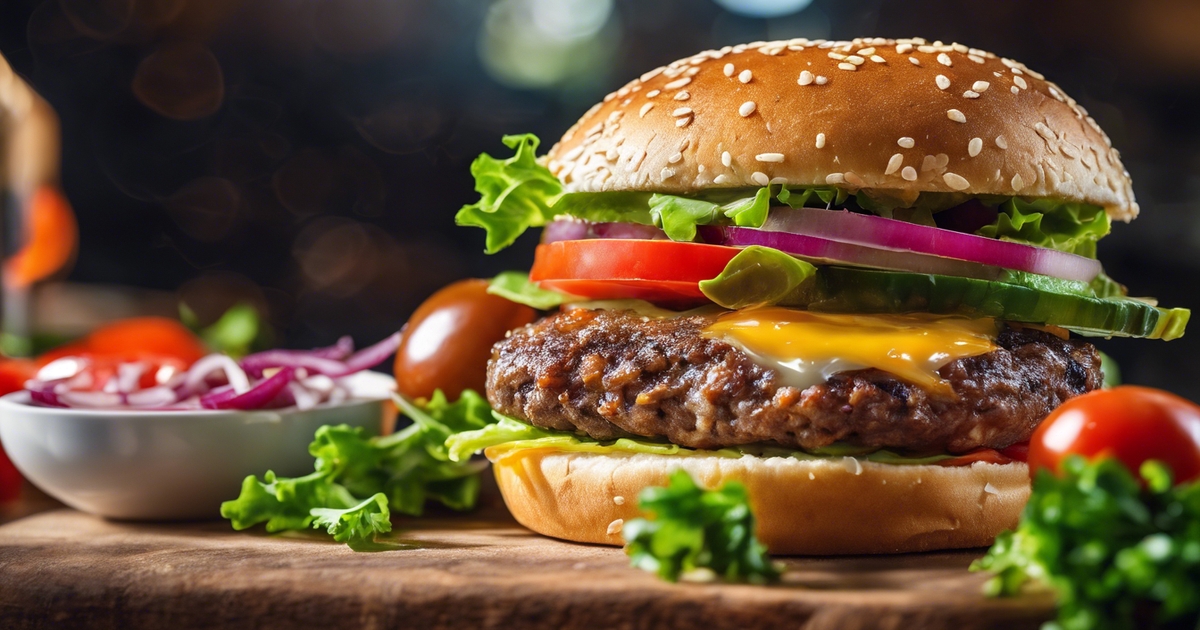
Ever wondered about the origins of everyone’s favorite fast food, the hamburger? Did Hamburg, Germany actually invent this iconic dish? Let’s dive into the origin story surrounding this juicy steak tartare. The story behind the hamburger is a blend of folklore and fact, with various claims to its invention. While it may not have originated in Hamburg as commonly believed, there are intriguing connections that trace back to German immigrants bringing their culinary traditions to America. Join us on a journey through time as we uncover the truth behind whether Hamburg, Germany can truly claim credit for inventing the beloved hamburger.
Key Takeaways
- The origin of the hamburger traces back to Hamburg, Germany, but its invention as we know it today is a combination of various influences.
- Understanding the etymology and terminology surrounding hamburgers sheds light on their evolution and cultural significance.
- While the specific inventor of the hamburger is debated, the sandwich gained popularity in the United States during the late 19th and early 20th centuries.
- Exploring the history of hamburgers reveals how they transitioned from a humble street food to a global culinary icon.
- Embracing the evolution of hamburger variations showcases the creativity and adaptability of this beloved dish across different cultures.
- Early major vendors of hamburgers played a significant role in popularizing this fast-food staple, shaping modern food trends.
The Origin of Hamburgers
Ground Beef Patties
The origin story of hamburgers traces back to the 19th century, with a fascinating history that involves ground beef patties. These patties were not only delicious but also convenient to eat, leading to their popularity.
Ground beef was easily accessible and affordable, making it a staple ingredient in many households. People began shaping ground beef into patties and cooking them on grills or stovetops. This simple yet flavorful method of preparing beef laid the foundation for what would become an iconic dish.
Hamburgers quickly gained popularity due to their convenience and taste. They were easy to make, satisfying to eat, and could be customized with various toppings like cheese, lettuce, tomatoes, pickles, and sauces.
Popular American Dish
The evolution of hamburgers from basic ground beef patties on bread led them to become a beloved American dish enjoyed worldwide today. In the United States, hamburgers became synonymous with fast food culture through chains like McDonald’s and Burger King.
These restaurants popularized the ground beef hamburger by offering quick service and consistent quality at affordable prices. The portability of burgers made them ideal for busy individuals looking for a tasty meal on-the-go.
Today, hamburgers are not just limited to fast-food chains; they can be found in gourmet restaurants serving elevated versions with premium ingredients like Wagyu beef or specialty ground meat. Despite these variations, the essence of a hamburger remains rooted in its humble beginnings as a simple yet satisfying meal option.
Hamburger Etymology and Terminology
Hamburg, Germany: The Birthplace of the Hamburger
Hamburg, Germany is indeed the birthplace of the hamburger. The term “hamburger steak” originated in this city. However, it’s essential to note that despite its name being associated with Hamburg, the modern-day hamburger as we know it did not originate from there. Instead, it was created in America and evolved into a popular dish worldwide.
- Named after Hamburg: Despite its name association with Hamburg, Germany, the modern hamburger was transformed and popularized outside Europe.
- “Hamburger steak” origins: The term “hamburger steak” can be traced back to dishes made from minced beef that were prepared in a similar style to what we now recognize as hamburgers.
- Evolution of the burger: Over time, this dish underwent changes and adaptations until it became synonymous with fast food culture globally.
Widely Used Term “Burger”
The term “burger” has become widely used across various cuisines and food establishments around the world. From traditional beef burgers to plant-based alternatives like veggie burgers or tofu burgers, this terminology has expanded beyond its original meat patty definition.
- Burgers are no longer limited to just beef patties; they come in various forms such as chicken burgers or fish burgers.
- Restaurants have also introduced gourmet options like lamb or mushroom burgers catering to diverse tastes.
- Fast-food chains have popularized terms like cheeseburger or bacon burger by adding different ingredients for flavor variations.
Who Invented the Hamburger?
Multiple Claims
There are various claims to who actually invented the hamburger. One story credits the Menches brothers with creating the burger at an 1885 fair in Hamburg, New York. Another tale suggests that Louis Lassen of Louis’ Lunch in Connecticut served the first hamburger in 1900. Despite these stories, there’s no definitive evidence to conclusively prove who truly invented this iconic dish of beef.
- Menches brothers claimed invention at a fair in Hamburg, New York.
- Louis Lassen from Louis’ Lunch also has a claim dating back to 1900.
White Castle’s Contribution
White Castle restaurants played a significant role in popularizing and standardizing beef hamburgers as we know them today. In 1921, they opened their doors and began selling small-sized burgers for just five cents each. This move revolutionized the fast-food industry by making hamburgers more affordable and accessible to all Americans.
- White Castle was pivotal in popularizing and standardizing hamburgers.
- Their introduction of small-sized burgers for five cents each revolutionized fast food.
History of the Hamburger
The hamburger made its grand debut at the 1904 St. Louis World’s Fair, where it quickly became a crowd favorite. Its simplicity and delicious taste captured the hearts (and stomachs) of fair attendees.
At this iconic event, vendors sold hot, juicy burgers sandwiched between two slices of bread to hungry visitors looking for a quick and satisfying meal option. The beef burger’s popularity soared as people from all walks of life enjoyed this new culinary delight.
Popularity Surge in the 20th Century
As time passed, the beef burger continued to gain momentum and evolve into various forms across different regions. In the early 20th century, diners and fast-food joints began popping up across America, serving up their unique take on this beloved classic.
With each passing year, more people indulged in these savory creations topped with cheese, lettuce, tomatoes, pickles – you name it! The simple yet versatile nature of the hamburger ensured its place as a staple in American cuisine for decades to come.
McDonald’s Impact on Hamburger History
One cannot discuss the history of hamburgers without mentioning McDonald’s impact on shaping its legacy. The founding brothers’ vision to create a fast-food empire revolutionized how burgers were consumed worldwide.
McDonald’s not only standardized the preparation process but also introduced innovative concepts like drive-thrus and Happy Meals that forever changed how people interacted with food. This shift marked a turning point in hamburger history by making it more accessible and convenient than ever before.
Evolution of Hamburger Variations
Cheeseburger Creation
Cheeseburgers, a popular variation of the classic hamburger, are believed to have originated in the United States. The addition of cheese to a regular hamburger patty provides an extra layer of flavor and richness. This simple yet ingenious twist has become a staple on menus worldwide, offering diners a gooey and savory option.
- Pros:
- Enhances flavor profile
- Adds creaminess to the burger
- Cons:
- May not be suitable for lactose-intolerant individuals
Veggie Burger Alternatives
Veggie burgers have gained popularity as healthier alternatives to traditional meat patties. Made from ingredients like black beans, quinoa, mushrooms, or even tofu, these plant-based options cater to vegetarians and vegans while offering a variety of flavors and textures. Some establishments also offer vegan cheeseburgers for those looking for dairy-free options.
- Start by mashing cooked black beans with spices.
- Form the mixture into patties and cook until crispy.
- Serve on a bun with fresh veggies and condiments.
Gourmet Burger Trends
Gourmet burgers have taken the culinary world by storm, elevating this humble dish into a gourmet experience. These upscale creations feature premium ingredients like truffle oil, foie gras, arugula salad toppings paired with brie cheese or caramelized onions between artisanal buns. From unique combinations like fried egg-topped burgers to innovative recipes incorporating exotic meats such as venison or kangaroo, gourmet burger trends continue to push boundaries.
- Key Information:
Early Major Vendors of Hamburgers
White Castle
White Castle, known for its iconic sliders, holds a significant place in the history of hamburgers. Established in 1921, it was one of the first hamburger chains to popularize this fast food item. By focusing on creating small, affordable burgers that were easy to eat quickly, White Castle catered to the needs and preferences of many customers.
The restaurant’s innovative approach to serving burgers paved the way for other fast food chains like McDonald’s and Burger King. Despite their humble beginnings as a small diner in Wichita, Kansas, White Castle managed to expand rapidly across the United States due to their unique offerings and efficient service.
McDonald’s and Burger King
McDonald’s is renowned worldwide for revolutionizing the fast-food industry with its extensive menu and efficient service. The global expansion of McDonald’s introduced hamburgers to a broader audience around the globe. Similarly, Burger King made its mark with flame-grilled burgers that offered a distinct taste compared to other restaurants.
Both McDonald’s and Burger King have played pivotal roles in shaping modern dining habits by making hamburgers accessible and appealing to people from all walks of life. Their success has inspired countless other restaurants globally to include hamburgers on their menus as they continue catering to diverse tastes.
Notable Figures in Hamburger History
Ray Kroc
Ray Kroc played a pivotal role in popularizing hamburgers through his McDonald’s franchise success. He transformed McDonald’s from a small burger stand into an international fast-food giant. Kroc’s innovative business strategies and focus on consistency revolutionized the fast-food industry. His vision of providing affordable, quality hamburgers quickly captured the hearts and taste buds of people worldwide.
Kroc’s emphasis on speed, efficiency, and standardization set a new benchmark for the fast-food industry. The introduction of drive-thru service made grabbing a quick hamburger more convenient than ever before. By expanding the menu to include various burger options, fries, and drinks, McDonald’s became synonymous with American fast food globally.
Dave Thomas
Dave Thomas is renowned for founding Wendy’s, leaving behind a lasting legacy in the fast-food landscape. Thomas believed in serving fresh, never frozen beef burgers—a departure from traditional practices at that time. This commitment to quality resonated with customers and helped Wendy’s carve out its unique identity.
Thomas’ down-to-earth persona was reflected in Wendy’s branding and advertising campaigns—making it relatable to everyday Americans seeking hearty meals at reasonable prices. Under his leadership, Wendy’s introduced innovative items like the salad bar and baked potatoes alongside their signature square-shaped burgers.
Carl Karcher
Carl Karcher built an empire with Carl’s Jr., contributing significantly to shaping hamburger history. Known for charbroiled burgers that offered a distinct flavor profile compared to other chains’ offerings at that time, Carl’s Jr.’s success can be attributed to its focus on flame-broiling techniques.
Karcher prioritized using high-quality ingredients while keeping prices competitive—a strategy that resonated well with consumers looking for premium yet affordable burger options.
Global Influence of Hamburgers
Worldwide Adaptation
Hamburgers have transcended borders, becoming a staple in various cuisines worldwide. This iconic dish has been adapted to suit different tastes and preferences globally. From the classic American cheeseburger to unique variations like the Japanese teriyaki burger or Indian spicy veggie burger, food chains around the world have embraced this beloved food.
The versatility of hamburgers allows for endless creativity in its preparation. Whether it’s adding unconventional toppings or incorporating local flavors, each region puts its own twist on the traditional hamburger. For example, in Australia, you might find a beetroot slice on your burger, while in Mexico, a spicy salsa could give it an extra kick.
Fast Food Chains’ Global Presence
Fast food giants like McDonald’s and Burger King have played a significant role in spreading hamburgers across the globe. These big food chains have established themselves as household names not only in the United States but also in countries worldwide. Their standardized menu featuring hamburgers has made them accessible to people from all walks of life.
The ubiquity of fast food chains ensures that no matter where you are in the world, you can likely find a familiar hamburger joint nearby. This widespread availability has contributed to making hamburgers one of the most recognized foods internationally.
Cultural Symbol of America
Despite their international popularity, hamburgers remain deeply rooted as a cultural symbol of America. Often associated with backyard barbecues and Fourth of July celebrations, burgers hold a special place in American cuisine and tradition. The rise of diners and drive-ins further solidified the hamburger’s status as an emblematic American food, representing convenience and comfort.
Unusual Hamburger Varieties
Ramen Burger
Ramen burgers are a unique twist on the classic hamburger, replacing traditional buns with ramen noodle “buns.” These innovative creations gained popularity in recent years, offering a fusion of Japanese and American flavors. The ramen burger’s savory taste combined with the noodle texture provides a delightful culinary experience for food enthusiasts looking to try something new.
- Ramen noodles
- Japanese-American fusion
- Innovative culinary creation
Donut Burger
The donut burger is an unconventional sweet-savory combination that blends juicy beef patties with sugary donuts instead of regular burger buns. This indulgent treat caters to those craving both sweet and savory flavors in one bite. The contrasting tastes of the salty meat patty against the sweetness of the donut create a harmonious balance that surprises and delights taste buds.
- Sweet-savory combo
- Unconventional pairing
- Indulgent treat
Sushi Burger Fusion Creation
Sushi burgers offer a creative take on traditional sushi by transforming it into a handheld burger format. Instead of rice and seaweed wraps, these inventive creations feature sushi ingredients like raw fish or seafood sandwiched between rice “buns.” The sushi burger revolutionizes how people enjoy sushi, providing a convenient way to savor favorite Japanese flavors without needing chopsticks.
- Sushi ingredients transformed into handheld format
- Rice “buns” replace traditional seaweed wraps
Closing Thoughts
So, did Hamburg, Germany invent the hamburger? While the exact origins may be debated, one thing is clear: the hamburger’s journey from a humble beef patty to a global culinary icon is a fascinating tale of innovation, adaptation, and cultural exchange. From its early days in 19th-century America to its modern-day presence in every corner of the world, the hamburger has evolved into a symbol of shared experiences and diverse palates. As you sink your teeth into your next juicy burger, remember that you’re not just tasting a delicious meal but also a slice of history and tradition that transcends borders.
Next time you indulge in a burger, think about the rich tapestry of stories and flavors that have contributed to this beloved dish’s enduring popularity. Whether you prefer it with cheese, bacon, or loaded with veggies, each bite carries a legacy of creativity and culinary fusion. So, go ahead, savor every mouthful, and appreciate the cultural melting pot that is encapsulated in a simple yet oh-so-satisfying hamburger.
Frequently Asked Questions
Did Hamburg, Germany invent the hamburger?
No, despite its name association with Hamburg, Germany, the hamburger as we know it today is believed to have originated in the United States. The concept of a ground beef patty sandwiched between two buns likely evolved in America during the late 19th to early 20th century.
Who is credited with inventing the hamburger?
While there are various claims and legends surrounding the invention of the hamburger, most sources attribute its creation to multiple individuals rather than a single person. The exact origin remains uncertain due to differing accounts and historical records from different regions within the U.S.
How did hamburgers gain global popularity?
Hamburgers gained worldwide popularity due to factors like globalization, fast-food chains’ expansion, and cultural influences. Their convenience, adaptability to local tastes through variations like toppings or condiments played significant roles in making them a beloved food choice across diverse cultures.
What are some unusual varieties of hamburgers?
Unusual hamburger varieties can include unique ingredients or preparation methods that deviate from traditional recipes. Examples may range from exotic meat patties (e.g., ostrich or kangaroo) to unconventional toppings (e.g., edible gold leaf or truffle-infused sauces), showcasing creativity and culinary experimentation in burger creations.
Are there notable figures associated with hamburger history?
Yes! Various individuals have left their mark on burger history through innovations in recipes, cooking techniques, restaurant establishments, or popularizing certain styles of hamburgers. Notable figures may include chefs like Louis Lassen (credited with serving one of America’s first burgers) and entrepreneurs such as Ray Kroc (McDonald’s franchise pioneer).