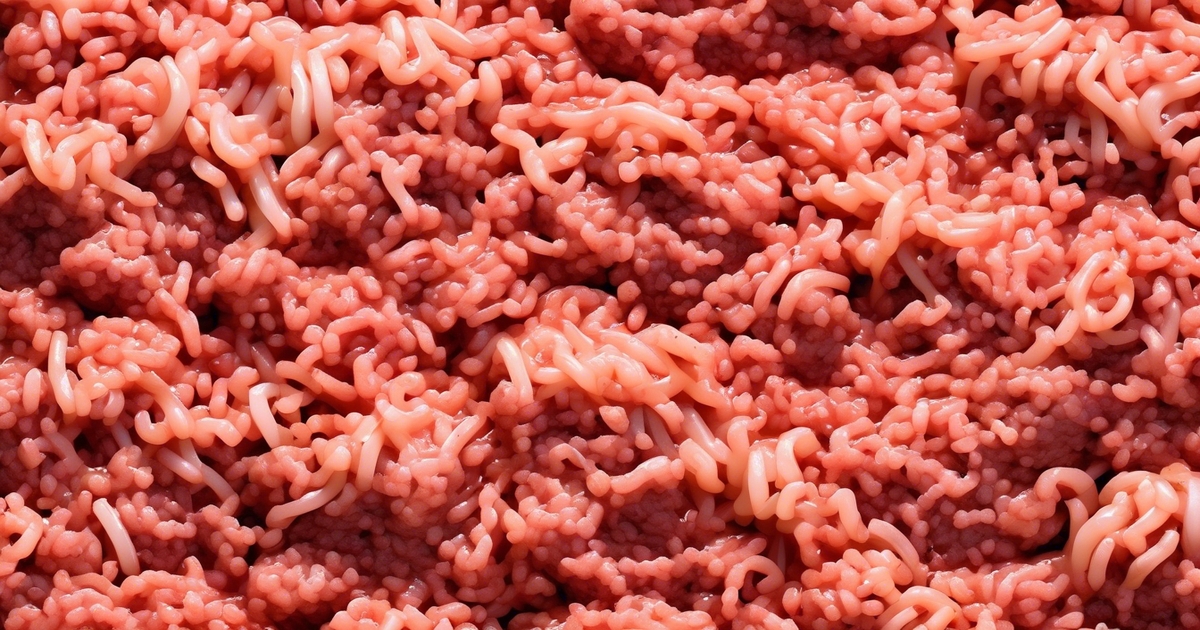
Choosing between lean and regular ground beef can be a tough decision when whipping up your favorite dishes like hamburgers and meatballs. While lean ground beef is lower in fat, regular ground beef brings more flavor to the table. Understanding which option suits your recipe best is key to achieving that perfect balance of taste and healthiness in your meals.
Key Takeaways
- Consider the lean-to-fat ratio when choosing ground beef for healthier options.
- Prioritize quality by selecting ground beef with USDA quality grades like Prime or Choice for better flavor and tenderness.
- Store ground beef properly in the refrigerator or freezer to maintain freshness and prevent bacterial growth.
- Experiment with specialty grinds like sirloin or chuck for unique flavors and textures in your dishes.
- Buying ground beef in bulk can be cost-effective and convenient for meal planning and saving time in the kitchen.
- Cooking ground beef thoroughly is crucial to ensure food safety and prevent foodborne illnesses.
Understanding Different Types of Ground Beef
Ground Chuck
Ground chuck is sourced from the shoulder area of the cow, providing a good balance of meat and fat content. This type is ideal for dishes like burgers or meatballs where you want juiciness and flavor. The types of ground chuck available in stores often have around 15-20% fat content, making it flavorful when cooked.
When choosing ground chuck for your recipes, consider its fat content to ensure the dish’s taste and texture align with your preferences. For those who enjoy richer flavors in their dishes, opting for ground chuck can enhance the overall taste due to its slightly higher fat content compared to other types.
- Pros:
- Great flavor profile
- Ideal for juicy burgers
- Cons:
- Higher fat content may not suit all dietary preferences
Ground Round
Ground round originates from the rear end of cattle, offering a leaner option compared to other types like ground chuck. With approximately 10-15% fat content, this choice is excellent if you prefer less fatty meats in your meals. When cooking with ground round, you’ll notice that it produces drier results than fattier cuts but remains flavorful.
If you’re looking to create healthier versions of classic dishes without compromising on taste too much, selecting ground round over other types might be a suitable choice. Its lower fat percentage makes it an attractive option for individuals aiming to reduce their overall saturated fat intake while still enjoying beef-based meals.
- Pros:
- Leaner option
- Lower fat content
- Cons:
- Can be drier when cooked due to reduced fat levels
Ground Sirloin
Ground sirloin hails from the sirloin area near the cow’s midsection and offers a balance between flavor and leanness. With approximately 8-10% fat content, this type provides a tasty alternative that isn’t overly fatty or dry when prepared correctly.
When considering which type of beef mince suits your culinary needs best, remember that each variety has distinct characteristics based on its cut location and associated marbling levels.
Factors to Consider When Buying Ground Beef
Color and Fat Content
When choosing ground beef, opt for a bright red hue, indicating freshness. The fat content percentage on the packaging is crucial. A higher fat ratio enhances flavor but may not be as healthy.
Selecting leaner options with lower fat percentages can be beneficial if you’re watching your fat intake. However, keep in mind that some fat is necessary for juiciness and flavor in dishes like burgers or meatballs.
Organic and Grass-Fed Options
Consider purchasing organic or grass-fed ground beef for healthier choices. These options often contain fewer additives and are raised without antibiotics or hormones, making them a better alternative for those concerned about their health.
Organic ground beef comes from animals that have been fed organic feed and have had access to the outdoors. On the other hand, grass-fed beef typically contains more omega-3 fatty acids due to the animal’s natural diet of grass.
USDA Quality Grades for Ground Beef
USDA Quality Grades
When choosing ground beef, considering the USDA quality grades can help you pick the best option. Prime grade ground beef has abundant marbling, making it incredibly flavorful and juicy when cooked. On the other hand, Choice grade ground beef is of high quality but with slightly less marbling compared to Prime.
Ground beef labeled as Select grade is leaner than Prime and Choice grades. While it may have less marbling, making it a healthier choice for some consumers, Select grade ground beef might be less tender due to its lower fat content.
Factors Impacting Your Decision
Your choice of ground beef ultimately depends on your preferences and cooking methods. If you enjoy rich and succulent meat dishes that are bursting with flavor, opting for Prime grade ground beef would be ideal. However, if you prefer a balance between leanness and tenderness in your dishes, Choice grade could be the perfect middle-ground option.
For health-conscious individuals looking to reduce their fat intake without compromising too much on taste or tenderness in their meals, selecting Select grade ground beef might align better with their dietary goals while still providing a satisfactory eating experience.
The Importance of Quality in Ground Beef
Flavor and Tenderness
Beef quality significantly impacts the taste and texture of your meal. Higher quality beef, with more marbling, usually results in juicier and more flavorful dishes. When ground beef has a good amount of fat distributed throughout the meat, it enhances tenderness, making your burgers or meatballs more enjoyable to eat.
Consumers often prefer ground beef that offers a balance between lean muscle meat and fat content. While leaner cuts contain less fat, they can sometimes be dry when cooked. On the other hand, fattier cuts might provide better flavor due to increased marbling but could lead to greasier dishes if there’s an excess of fat.
Safety and Sustainability
Choosing high-quality beef not only affects taste but also ensures food safety. Quality standards in beef production help reduce health risks associated with undercooked meats or contamination during processing. Opting for top-grade ground beef means you’re likely getting a product that adheres to strict safety regulations from farm to table.
Moreover, selecting premium beef supports sustainable farming practices. Sustainable agriculture focuses on environmentally friendly methods that promote animal welfare while minimizing negative impacts on ecosystems. By choosing responsibly sourced ground beef, consumers contribute to supporting ethical farming practices that benefit both people and the planet.
Tips for Cooking with Ground Beef
Browning Ground Beef
When cooking with ground beef, it’s crucial to brown it before adding it to your recipes. This step not only enhances the texture of the meat but also ensures that it cooks evenly throughout. By browning the ground beef, you develop rich flavors that will elevate your dishes.
To properly brown ground beef, start by heating a skillet over medium-high heat. Add the ground beef and break it into smaller pieces using a spatula or wooden spoon. Cook until all sides are browned, ensuring there is no pink meat left. This process helps in creating delicious dishes like meatballs, hearty soups, or flavorful sauces.
Draining Excess Fat
After browning the ground beef, remember to drain excess fat from the pan. This simple step not only reduces calories in your dish but also prevents your meal from becoming greasy and heavy. Use a slotted spoon to transfer the cooked ground beef onto a plate lined with paper towels to absorb any remaining fat.
By draining excess fat, you make healthier choices when preparing meals with ground beef. Whether you’re making savory meatball subs or hearty pasta sauces, this practice ensures that your dish is lighter without compromising on flavor.
Seasoning for Enhanced Taste
One of the best ways to elevate dishes made with ground beef is by generously seasoning the meat. Adding herbs and spices not only enhances the taste but also creates depth and complexity in flavors within your recipes. Experiment with different seasonings like garlic powder, onion powder, paprika, or cumin to find combinations that suit your palate best.
When making meatballs or simmering a savory sauce using ground beef, don’t shy away from experimenting with various seasonings until you find what works best for you personally.
Storing Ground Beef Properly
Refrigerator Storage
Ground beef should be stored in the coldest part of the fridge, usually at the back. This helps maintain its freshness by keeping it away from temperature fluctuations.
When storing ground beef in the fridge, make sure to use it within 1-2 days for optimal quality. The longer ground beef stands in the fridge, the higher the chances of moisture loss and potential spoilage.
Freezing ground beef is a great way to extend its shelf life. It can be frozen for up to 3-4 months, ensuring that it stays fresh for future use. Freezing prevents bacteria growth and maintains the meat’s quality.
Packaging Tips
To store ground beef properly in the fridge, place it on a plate or tray to catch any potential drips or leaks from the packaging. This extra step helps keep your refrigerator clean and free from contamination.
When freezing ground beef, consider dividing it into smaller portions before freezing. This allows you to thaw only what you need without having to defrost an entire package, reducing waste and ensuring freshness each time you cook with it.
Remember that proper storage not only maintains food safety but also preserves flavor and texture. By following these simple tips, you can enjoy delicious meals made with high-quality ground beef anytime.
Healthiest Options for Ground Beef
Lean Cuts
Choosing lean ground beef is beneficial as it contains less fat and fewer calories compared to higher-fat options. This makes it a healthier choice, especially for individuals looking to reduce their overall fat intake. Opting for lean cuts of ground beef can help in maintaining a balanced diet without compromising on flavor. Lean ground beef is versatile and can be used in various recipes such as meatballs, tacos, or burgers.
Consuming lean ground beef also aligns with the idea of eating healthier while still enjoying your favorite dishes. By selecting lean cuts, you are making a conscious decision towards better health outcomes by reducing the intake of saturated fats commonly found in fattier types of ground beef.
Grass-Fed Varieties
When considering the best option for ground beef, grass-fed varieties stand out due to their higher levels of omega-3 fatty acids. These healthy fats play a crucial role in supporting heart health and reducing inflammation in the body. Grass-fed beef is known to have a more favorable omega-6 to omega-3 ratio compared to grain-fed counterparts, making it a preferred choice among health-conscious consumers.
Opting for grass-fed ground beef not only provides essential nutrients but also contributes positively to sustainable farming practices. The cattle raised on pasture consume natural diets rich in nutrients which are then passed on through their meat when consumed by humans.
Organic Choices
Another healthy option when deciding on ground beef is organic varieties that are free from antibiotics and hormones. Choosing organic ensures that you are consuming meat that has been produced without synthetic chemicals or additives commonly present in conventional farming practices. Organic ground beef offers peace of mind knowing that what you’re putting into your body is clean and free from potentially harmful substances.
Selecting organic ground beef supports environmentally friendly agricultural methods that focus on sustainability and animal welfare practices. By choosing organic options, you contribute towards promoting ethical farming standards while prioritizing your health and well-being.
Exploring Specialty Grinds for Ground Beef
Rich Flavor Blends
Exploring different blends can elevate your meals. Try combining chuck and brisket for a rich and flavorful taste profile. The chuck brings robust beefy flavor, while the brisket adds a touch of sweetness. This blend is perfect for burgers or meatballs, enhancing the overall eating experience.
Blending different cuts allows you to customize the fat ratio in your ground beef. Experimenting with various fat percentages can cater to your preferences – whether you prefer leaner options or juicier bites. For example, adding more brisket to the blend increases the fat content, resulting in a moist and tender texture when cooked.
Gourmet Touch with Unique Grinds
For those looking to take their dishes up a notch, consider using unique grinds like wagyu or bison. These specialty options offer an unparalleled depth of flavor that can transform ordinary recipes into gourmet delights. Wagyu beef is known for its marbling which enhances tenderness and succulence in dishes such as burgers or tacos.
- Chuck and Brisket Blend: Rich flavor profile
- Customized Fat Ratios: Tailored taste preferences
- Wagyu and Bison Grinds: Gourmet dining experience
Benefits of Buying Ground Beef in Bulk
Save Money
Buying ground beef in bulk allows you to save money by purchasing larger quantities at once. When you buy a lot of ground beef, the cost per pound is usually lower compared to buying smaller portions individually. This means that you get more value for your money when you opt for bulk purchases. For example, if a pound of ground beef costs $5 when bought individually, purchasing five pounds together might bring the cost down to $4 per pound.
Purchasing ground beef in bulk also enables you to take advantage of sales or promotions. Retailers often offer discounts on larger quantities, allowing you to stock up on ground beef when prices are lower than usual. By keeping an eye out for these deals and promotions, you can save even more money on your grocery expenses while ensuring that you have an ample supply of ground beef available whenever needed.
Convenience in Portioning
When buying ground beef in packages, especially in bulk, it’s essential to portion them into smaller packages for convenience. Dividing the large quantity into smaller portions makes it easier to manage and use over time. You can separate the meat into individual servings suitable for different recipes or meals without having to defrost and refreeze the entire batch repeatedly.
Moreover, portioning bulk purchases allows you to plan ahead by preparing meal-sized packages that can be conveniently stored in the freezer until needed. This practice not only saves time during meal preparation but also reduces food waste since you can thaw only what is required for each cooking session.
Closing Thoughts
So, there you have it! Understanding the various types of ground beef and factors to consider when purchasing it can truly elevate your cooking game. Knowing the USDA quality grades, importance of quality, and tips for cooking and storing ground beef will help you make informed decisions. Exploring specialty grinds and buying in bulk offer exciting options worth exploring for your culinary adventures. Remember, the healthiest choice is not just about what you buy but how you prepare and store it. Embrace the versatility of ground beef and let your creativity shine in the kitchen!
Now that you’re armed with all this knowledge, go out there and pick the best ground beef for your next meal. Your taste buds will thank you! Keep experimenting, trying new recipes, and enjoying the delicious results of your culinary creations.
Frequently Asked Questions
What factors should I consider when buying ground beef?
When buying ground beef, consider the fat content, type of grind, freshness, and USDA quality grade. Opt for leaner cuts for healthier options and always check the expiration date to ensure freshness.
How can I store ground beef properly?
Store raw ground beef in the coldest part of your refrigerator or freezer in its original packaging or airtight container. Use it within 1-2 days if refrigerated and within 3-4 months if frozen to maintain quality.
Are there healthiest options available for ground beef?
Yes, opting for lean or extra-lean ground beef with lower fat content is a healthier choice. These cuts are lower in saturated fats and calories while still providing essential nutrients like protein and iron.
What are some tips for cooking with ground beef?
To enhance flavor, try seasoning your ground beef with spices before cooking. Remember to cook it thoroughly until no pink color remains. Drain excess fat after cooking to reduce calorie intake.
Why is the quality of ground beef important?
Quality impacts taste, texture, and safety of the meat you consume. Choosing higher-quality grades ensures better flavor and tenderness while reducing health risks associated with consuming undercooked or contaminated meat.