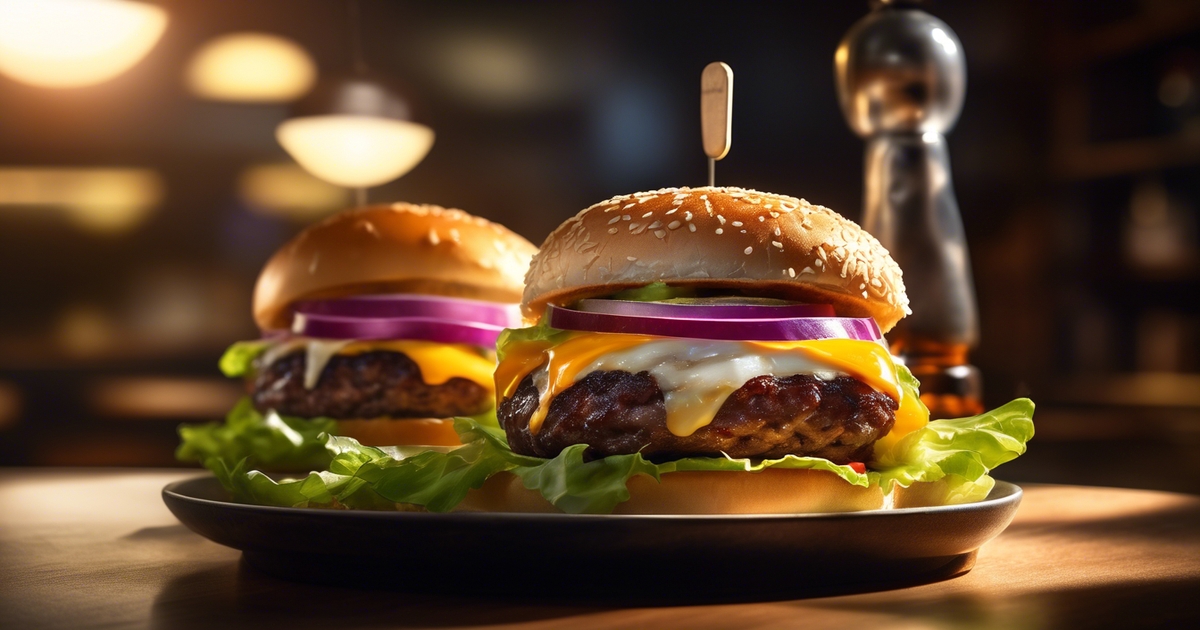
Ever wondered about the surprising world of plant-based burgers and what legally defines a burger? While traditional beef patties have long dominated the scene, a new player has emerged – the veggie burger. But what exactly qualifies as a “burger” in the eyes of the law? From labeling regulations to consumer expectations, the definition can vary widely depending on where you are. Join us as we dive into this sizzling topic and uncover the juicy details behind what makes a burger legally legit. Get ready to explore how food laws navigate this flavorful landscape, shedding light on both meaty classics and their innovative plant-based counterparts.
Key Takeaways
- Understand the Legal Definition: In the US, a burger must meet specific criteria to be legally classified as such, ensuring compliance with regulations.
- Differentiate Hamburger from Ground Beef: Differentiating between hamburger and ground beef is crucial as they have distinct definitions and uses in culinary practices.
- Choose Ingredients Wisely: Be mindful of the ingredients allowed in hamburger meat to maintain quality, flavor, and adherence to standards.
- Prioritize Safety: When preparing burgers, prioritize safety considerations to prevent foodborne illnesses and ensure a safe dining experience.
- Explore Meat Variety: Embrace diverse meat options for burgers beyond traditional beef, such as turkey, chicken, or lamb, to expand culinary horizons.
- Embrace Plant-Based Alternatives: Explore veggie and plant-based burger varieties to cater to vegetarian, vegan, or health-conscious preferences while diversifying menu offerings.
Legal Definition of a Burger in the US
USDA Regulations
The United States Department of Agriculture (USDA) defines a burger as ground beef or meat alternatives. This means that for a product to be legally considered a burger, it must contain at least 70% lean meat. The regulations set by the USDA are crucial in ensuring the quality and standards of burgers available to consumers.
In terms of labeling, products claiming to be burgers must adhere to specific guidelines regarding their composition and ingredients. These rules help prevent misleading information about the content of the burger being sold. For instance, if a product is labeled as a “beef burger,” it should consist predominantly of beef according to USDA standards.
Additives and Variations
While the basic definition requires restaurants to label burgers containing at least 70% lean meat, there are variations allowed based on different factors such as additives and fillers. Some manufacturers may choose to incorporate seasonings or extenders into their products while still meeting the legal requirements for labeling them as burgers.
Pros:
- Clear guidelines ensure consistency in quality.
- Consumers can make informed choices based on accurate labels.
Cons:
- Restrictions may limit creativity in product development.
- Compliance with regulations can increase production costs.
Hamburger vs Ground Beef
Seasonings and Fat Content
The distinction between a hamburger and ground beef lies in their composition. A hamburger typically consists of ground meat mixed with various seasonings, spices, and sometimes fat content. On the other hand, ground beef refers to pure meat without any additives or additional ingredients.
Ground beef is often preferred for making burgers, as it allows for customization in terms of seasoning and flavoring during cooking. In contrast, hamburgers are pre-seasoned patties that may contain added fats like suet or tallow to enhance taste and juiciness.
- Pros:
- Hamburgers offer convenience with pre-seasoned flavors.
- Ground beef provides flexibility for personalized seasoning choices.
- Cons:
- Pre-seasoned burgers may limit control over flavor profiles.
- Pure ground beef might lack the enhanced taste from added fats found in hamburgers.
Cooking Methods
In the realm of culinary preparation, both hamburgers and ground beef can be utilized in various dishes using different cooking methods. When making a traditional burger, one would typically shape seasoned ground meat into patties before grilling or frying them until cooked through. These can then be sandwiched between buns along with condiments like lettuce, tomatoes, cheese, ketchup, or even a fried egg.
On the other hand, ground beef offers more flexibility. It can be used in recipes such as spaghetti Bolognese, chili con carne, meatballs, tacos filling – showcasing its adaptability across different cuisines.
-
Steps for Making Burgers:
-
Shape seasoned ground meat into patties.
-
Grill or fry until desired level of doneness.
-
Assemble on buns with toppings like cheese and vegetables.
-
Ways to Use Ground Beef:
-
Prepare spaghetti Bolognese by simmering cooked ground beef in tomato sauce.
-
Create flavorful taco fillings by seasoning cooked ground beef with spices like cumin and paprika.
By exploring these distinctions between hamburgers (legally defined) versus plain ground beef
Ingredients Allowed in Hamburger Meat
Common Additions to Hamburger Meat
Hamburgers typically contain salt, pepper, and binders for flavor. Some additives like soy protein are permissible. However, there are restrictions on fillers and extenders to maintain the integrity of the meat.
The addition of salt enhances the taste of hamburger meat, while pepper adds a subtle kick. Binders such as breadcrumbs or eggs help hold the burger patty together during cooking. These ingredients contribute not only to flavor but also to the texture of the burger.
Restrictions on Fillers and Extenders
While some additives are allowed in hamburger meat, there are limitations on fillers and extenders that can be used. Fillers like breadcrumbs or flour, burger king, should not exceed a certain amount per pound of meat. Extenders such as soy protein must also comply with regulations regarding their quantity.
Using excessive amounts of fillers can alter the taste and texture of the burger patty, affecting its overall quality. Therefore, it is essential for manufacturers to adhere to these guidelines when producing hamburger meat.
Safety Considerations for Burgers
Cooking Temperature
Ground beef should reach an internal temperature of 160°F to ensure it’s safe to eat. Using a food thermometer is the best way to check this. When the meat reaches this temperature, harmful bacteria like E. coli are destroyed, making your burger safe.
Properly cooked burgers are crucial in preventing foodborne illnesses. Undercooked burgers can harbor dangerous bacteria that may cause sickness when consumed. Ensuring that the meat is thoroughly cooked reduces the risk of contamination and keeps you and your loved ones safe from potential health issues.
Cross-Contamination Prevention
Avoid cross-contamination by keeping raw meats separate from other foods during preparation. Use different cutting boards and utensils for raw meat, burgers, and ready-to-eat items like lettuce or tomatoes to prevent bacteria from spreading. Wash your hands thoroughly after handling raw meat to avoid transferring any harmful pathogens.
Here are some tips on how to prevent cross-contamination:
- Use separate cutting boards for raw meats.
- Wash utensils used with raw meat before using them again.
- Clean countertops with hot, soapy water after preparing raw meat dishes.
Proper Storage Practices
Storing ground beef properly is essential in preventing bacterial growth that could lead to food poisoning. Keep ground beef, including burger, refrigerated at temperatures below 40°F until ready to use it, and make sure leftovers are promptly refrigerated as well.
To maintain freshness and quality:
- Store ground beef in its original packaging or airtight containers.
- Consume leftover cooked burgers within 3-4 days.
Diverse Meat Options for Burgers
Popular Varieties
Turkey, chicken, and lamb are common choices for burgers. Each meat, including burger, brings a unique flavor profile to the table. For instance, a chicken burger is often leaner compared to beef.
Burgers made from these meats can be found in various fast-food chains and restaurants. The versatility of these options allows for different culinary creations like burger to cater to diverse preferences.
Exotic Choices
Exotic meats like bison and venison are becoming increasingly popular as burger alternatives. These red meat burger options offer a distinctive taste that appeals to adventurous food enthusiasts.
While exotic burgers may not be as readily available as traditional beef patties, they provide an exciting twist on the classic burger experience. Some gourmet eateries specialize in offering these unconventional options.
Veggie and Plant-Based Burger Varieties
Ingredients in Veggie and Plant-Based Burgers
Veggie burgers often feature a mix of vegetables, grains, and legumes. On the other hand, plant-based burgers are crafted from ingredients like soy or pea protein. These alternatives provide a burger-like texture without using animal products.
Plant-based burgers have gained popularity due to the growing demand for meat alternatives in the market. They cater to individuals seeking environmentally-friendly options or those with dietary restrictions. Many fast-food chains and restaurants now offer burger alternatives on their menus to accommodate diverse consumer preferences.
Benefits of Veggie and Plant-Based Burgers
- Healthier Option: These burger varieties tend to be lower in saturated fats compared to traditional beef patties.
- Environmental Impact: Choosing veggie or plant-based burgers can contribute positively towards reducing carbon footprints.
- Dietary Restrictions: Ideal for individuals following vegetarian or vegan diets as well as those with allergies to animal proteins.
Global Burger Variations and Cultural Significance
Regional Variations
Burgers aren’t just a one-size-fits-all meal; there are many variations around the world. Take, for example, the Ramly burger in Malaysia. It’s a unique twist on the classic burger, with ingredients like an egg, cabbage, and special sauces. This regional variation showcases how different cultures put their own spin on this beloved dish.
When you look at burgers globally, each region adds its flair to create something special. In Japan, you might find a rice burger where rice patties replace traditional buns. These diverse interpretations of burgers highlight how food can be a gateway to understanding different cultures.
Cultural Significance
In American fast food culture, the burger holds a special place as an iconic staple. Burgers represent more than just convenience; they embody comfort and familiarity for many people in the United States and beyond. The rise of fast-food chains like McDonald’s has made burgers synonymous with quick meals enjoyed by millions worldwide.
The cultural significance of burgers extends beyond taste; it reflects societal norms and values too. For instance, in some countries like India or Israel where beef isn’t widely consumed due to religious beliefs or cultural practices, chicken or vegetarian options dominate the local burger scene.
Fusion Burgers
One exciting trend in the culinary world is fusion burgers that blend international flavors into this classic dish. Imagine biting into a kimchi burger that combines Korean spices with juicy beef patty – it’s a flavor explosion! Fusion burgers cater to adventurous eaters looking for new taste experiences beyond traditional offerings.
Fusion doesn’t stop at Asian-inspired creations; European influences also play a role in shaping modern burgers globally. In places like London or Paris, you might find gourmet burgers topped with foie gras or truffle aioli – elevating this humble sandwich into a gourmet delight.
Health Considerations When Cooking and Consuming Burgers
Leaner Meats for Reduced Saturated Fat Intake
When crafting a burger, opt for lean meats like turkey or chicken to cut down on saturated fats. These choices can help maintain a healthier diet without compromising on flavor. By choosing leaner meats, you can enjoy your favorite burger guilt-free.
Choosing lean meats like turkey or chicken over fattier options reduces the amount of unhealthy fats in your meal. This simple swap from burger can positively impact your overall health by lowering cholesterol levels and decreasing the risk of heart diseases.
Grilling or Baking for Healthier Preparation
Grilling or baking burgers instead of frying them is a healthier cooking method that retains flavor without adding extra fat. By grilling or baking your burgers, you reduce the intake of unnecessary oils and grease while still enjoying a delicious meal.
Grilling or baking allows excess fat to drip away from the meat during cooking, resulting in a lighter and less greasy burger. This method helps retain more nutrients in the burger patty compared to frying, making it a better option for those looking to eat healthily.
Balancing with Nutritious Toppings and Side Dishes
To enhance the nutritional value of your burger, consider adding fresh vegetables like lettuce, tomatoes, onions, and avocados as toppings. These additions provide essential vitamins and minerals while adding crunch and flavor to your burger.
Incorporating nutritious side dishes such as salads, vegetable sticks, or fruit salads alongside your burger helps create a balanced meal rich in fiber and antioxidants. These sides complement the indulgence of a burger while ensuring you meet your daily nutrient requirements.
Unconventional Burger Types and Ingredients
Gourmet Burgers
Gourmet burgers elevate the traditional concept of a burger by incorporating premium ingredients like truffles or foie gras. These luxurious additions transform a simple sandwich into a decadent culinary experience. Picture sinking your teeth into a juicy patty topped with rich foie gras, creating an explosion of flavors in every bite. While these gourmet creations may come at a higher price point, they offer an extraordinary dining experience for those seeking something beyond the ordinary.
Indulging in a gourmet burger allows you to explore new flavor profiles and textures that go beyond the standard bacon and cheese combination. The use of high-quality ingredients elevates the overall taste, making each bite a symphony of flavors dancing on your palate. For food enthusiasts looking to tantalize their taste buds with unique combinations, gourmet burgers are an excellent choice.
Creative Combinations
Innovative chefs have taken burger creativity to new heights by introducing unconventional combinations such as sushi burgers or dessert burgers. Imagine biting into a sushi burger where seaweed replaces the classic buns, encasing fresh fish and avocado within instead of traditional beef patties. This fusion of Japanese cuisine with American comfort food offers an exciting twist on the conventional burger.
Dessert burgers present another innovative take on this beloved dish, featuring sweet elements like caramelized fruits sandwiched between layers of fluffy brioche buns instead of savory fillings. These creative interpretations showcase how chefs push boundaries by experimenting with unexpected flavors and textures in their culinary creations.
Summary
You’ve dived deep into the world of burgers, uncovering the legal definitions, diverse ingredients, safety considerations, and cultural variations that make burgers more than just a meal. From classic beef patties to unconventional combinations, the burger landscape is vast and ever-evolving. Remember, whether you’re a meat lover or prefer plant-based options, there’s a burger out there for everyone.
Next time you fire up the grill or visit your favorite burger joint, consider the journey that humble patty has taken to reach your plate. Embrace the creativity and diversity that burgers offer, and don’t be afraid to experiment with new flavors and ingredients. Keep exploring, keep tasting, and most importantly, keep enjoying every juicy bite. Burgers are not just food; they’re a celebration of culinary innovation and cultural fusion.
Frequently Asked Questions
What is the legal definition of a burger in the US?
In the US, a burger typically consists of ground beef or meat patty served between two buns. However, variations like veggie burgers and plant-based options are also legally considered as burgers as long as they align with food safety regulations.
Can you explain the difference between hamburger and ground beef?
Hamburger refers to cooked patties made from ground beef, while ground beef is simply minced beef before cooking. Ground beef can be used for various dishes beyond just making hamburgers.
What ingredients are allowed in hamburger meat?
Hamburger meat can include seasonings like salt and pepper but should primarily consist of ground beef without additives or fillers. It’s essential to check labels when purchasing pre-packaged hamburger meat for any additional ingredients.
Are there health considerations when consuming burgers?
Yes, it’s important to cook burgers thoroughly to avoid foodborne illnesses due to undercooked meat. Opting for leaner meats or plant-based alternatives can make your burger healthier by reducing saturated fat content.
What are some unconventional types of burgers and ingredients I can try?
You can experiment with unique burger types such as ramen burgers (using ramen noodles as buns) or sliders with unconventional toppings like pineapple or avocado. Get creative with different meats like bison or turkey for diverse flavors!